


In clinical practice, assessing a client's status requires the regular collection of vital signs (VS). These are considered "cardinal symptoms" because they serve as essential indicators of life-sustaining functions. Among these, body temperature is a critical measurement that reflects the balance between heat produced by the body and heat lost to the environment. By monitoring temperature trends, healthcare providers can identify physiological shifts, detect infections, and respond to life-threatening changes in a client's condition.
Physiology of Thermoregulation
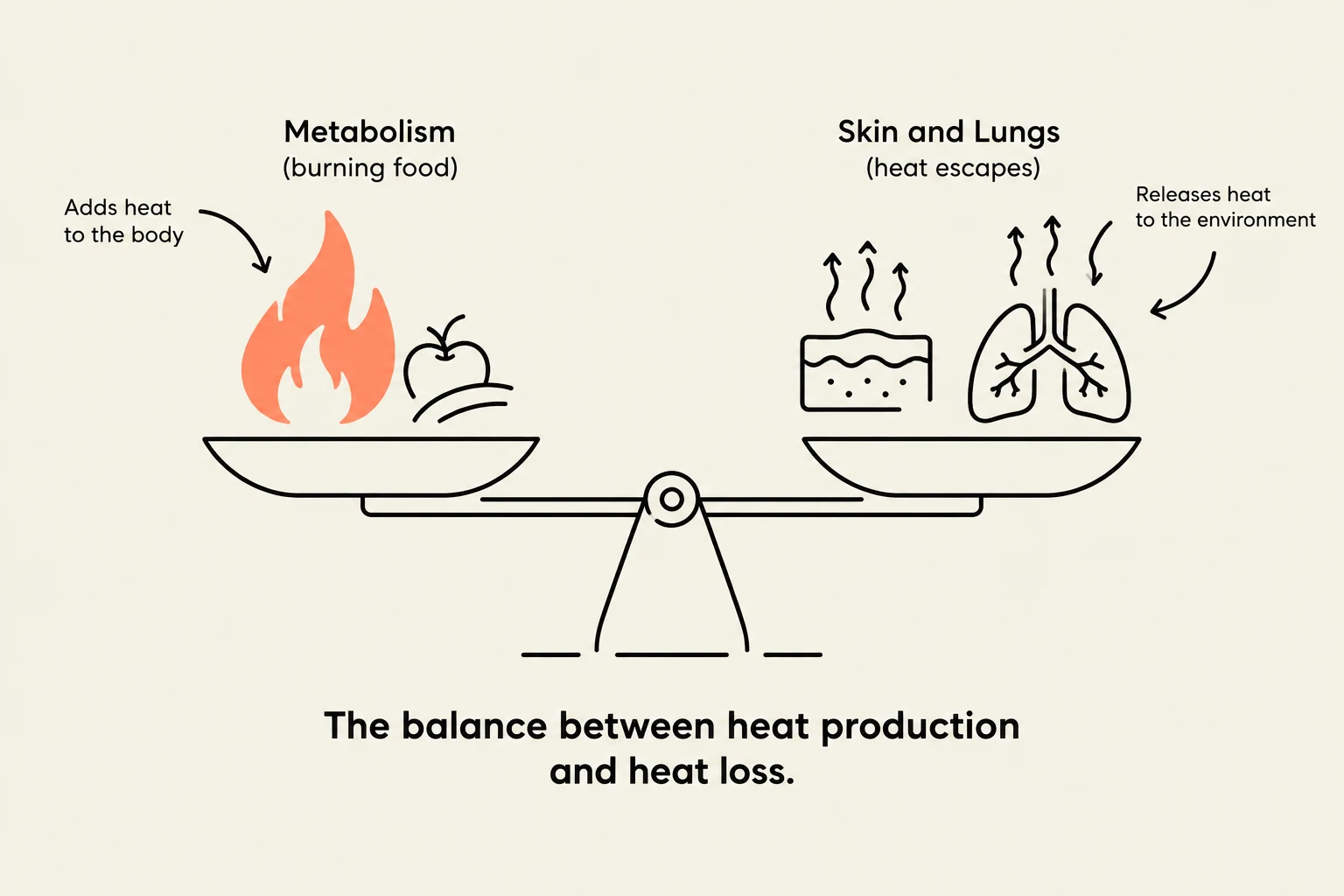
Body temperature, also known as core temperature, is the measure of heat inside a person's body. This temperature is maintained through a delicate balance: the body generates heat as it burns food (metabolism) and loses heat through the skin and lungs.
The primary control center for this process is the hypothalamus, located in the brain. The hypothalamus acts as a thermostat, sensing changes in blood temperature and making physiological adjustments to maintain homeostasis. For example, muscle activity (such as shivering) can increase heat production when the body is cold, while certain drugs or shock may depress the nervous system and decrease heat production.
Normal and Abnormal Temperature States
While a standard adult temperature is approximately (), it is important to recognize that "normal" can vary based on the individual's baseline, age, and time of day.
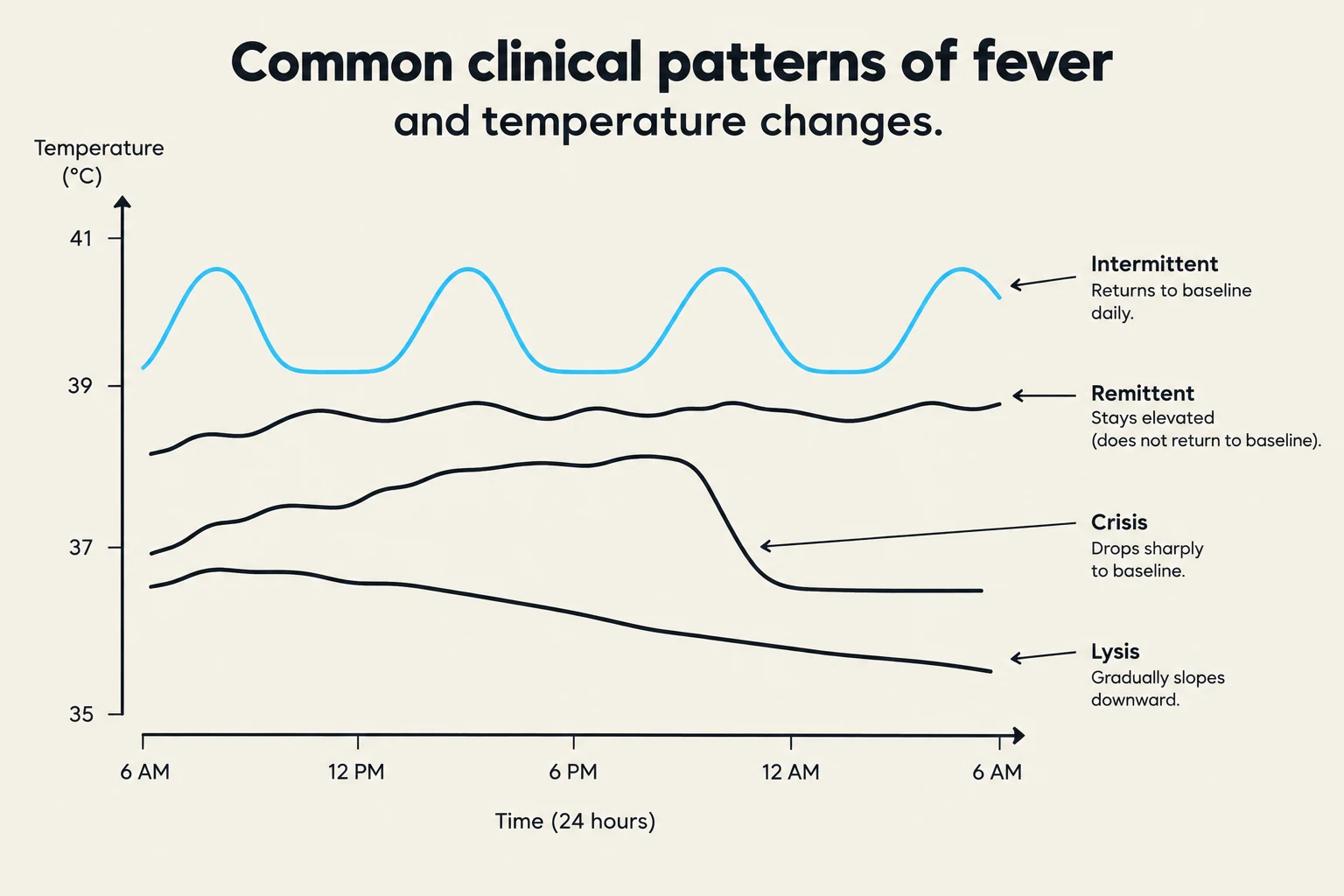
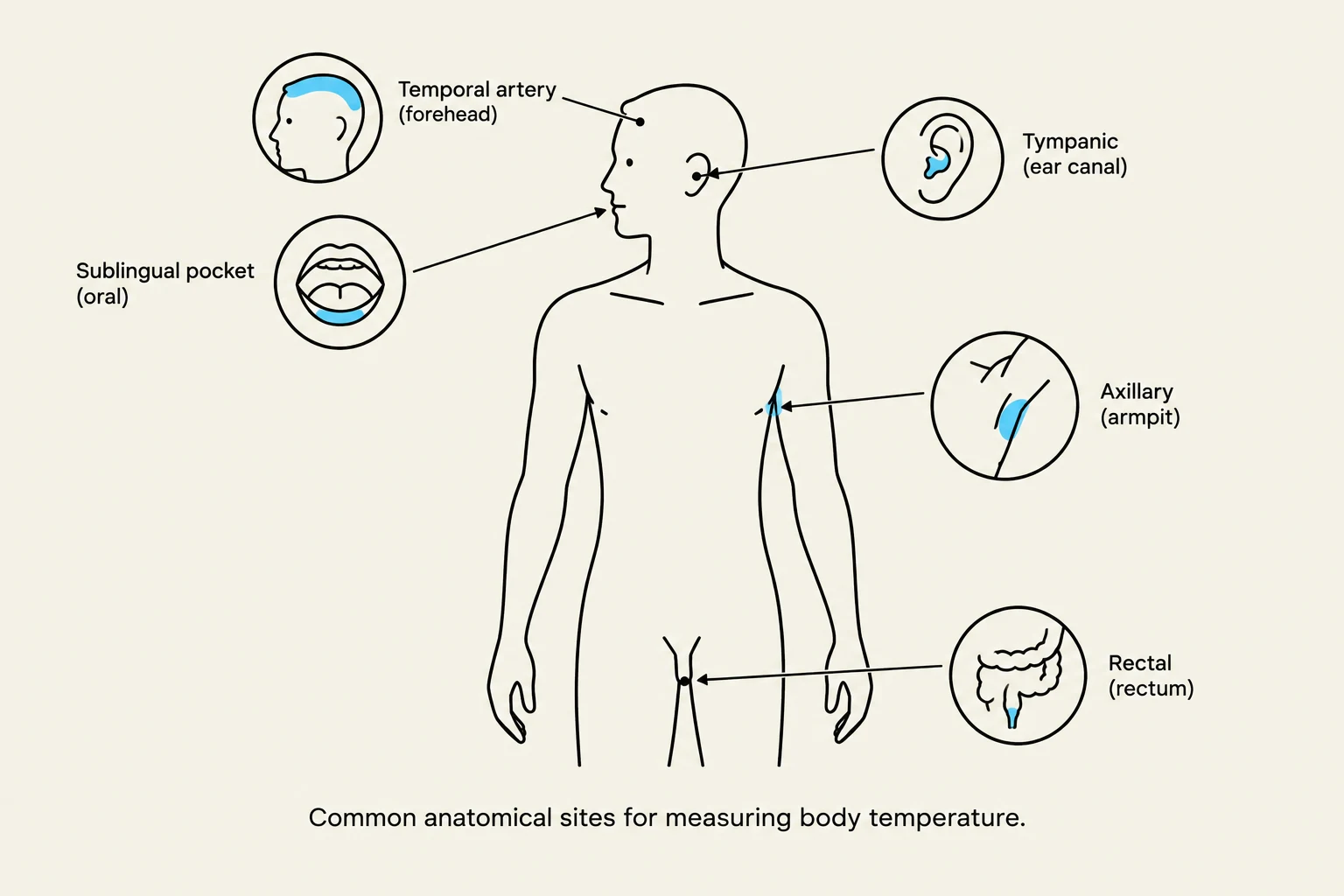
Fever and Temperature Variations
Keep reading for free.
Create an account to finish this reading and make it part of your study routine.
Continue reading freeAlready have an account? Log in
Updated