


In clinical practice, the ability to perform invasive procedures while maintaining strict aseptic technique is a fundamental skill that directly impacts patient outcomes. Whether you are inserting a urinary catheter or performing a complex wound dressing change, the primary goal remains the same: preventing healthcare-associated infections (HAIs) by breaking the chain of contamination. This article serves as a comprehensive guide to the essential competencies required for these procedures, structured around the principles of asepsis, patient safety, and technical precision.
Foundational Principles: Preparation and Asepsis
Before any clinical intervention begins, the clinician must establish a foundation of safety and sterility. This starts with verifying medical orders and checking the Kardex to ensure the procedure is indicated and correct. Patient safety is prioritized through the use of two unique identifiers to confirm identity, followed by explaining the procedure to the client to reduce anxiety and ensure informed consent.
Asepsis is not merely about wearing gloves; it is a systematic approach to environmental control. Effective preparation includes:
- Hand Hygiene: Performing thorough hand hygiene is the first line of defense before touching any equipment or the patient.
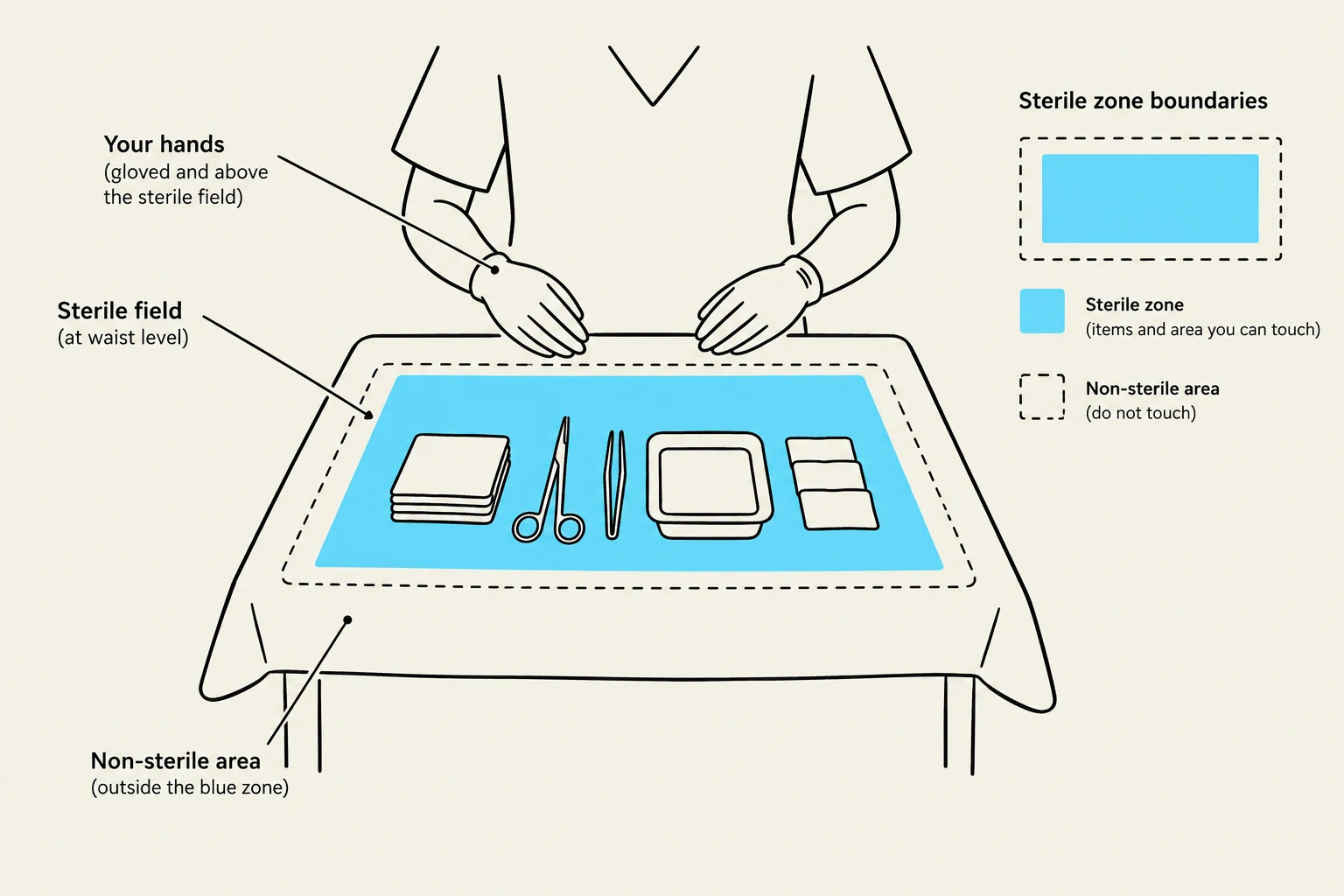
- Sterile Field Setup: A flat surface must be cleaned and dried before placing a sterile tray. The clinician must inspect the sterile package for any signs of contamination or moisture.
- Maintaining the Field: Once opened, the sterile tray must be kept at waist level and remain within the clinician's line of vision at all times. Reaching across an open sterile field is strictly prohibited, as this can introduce airborne contaminants or accidental contact.
Keep reading for free.
Create an account to finish this reading and make it part of your study routine.
Continue reading freeAlready have an account? Log in
Updated