


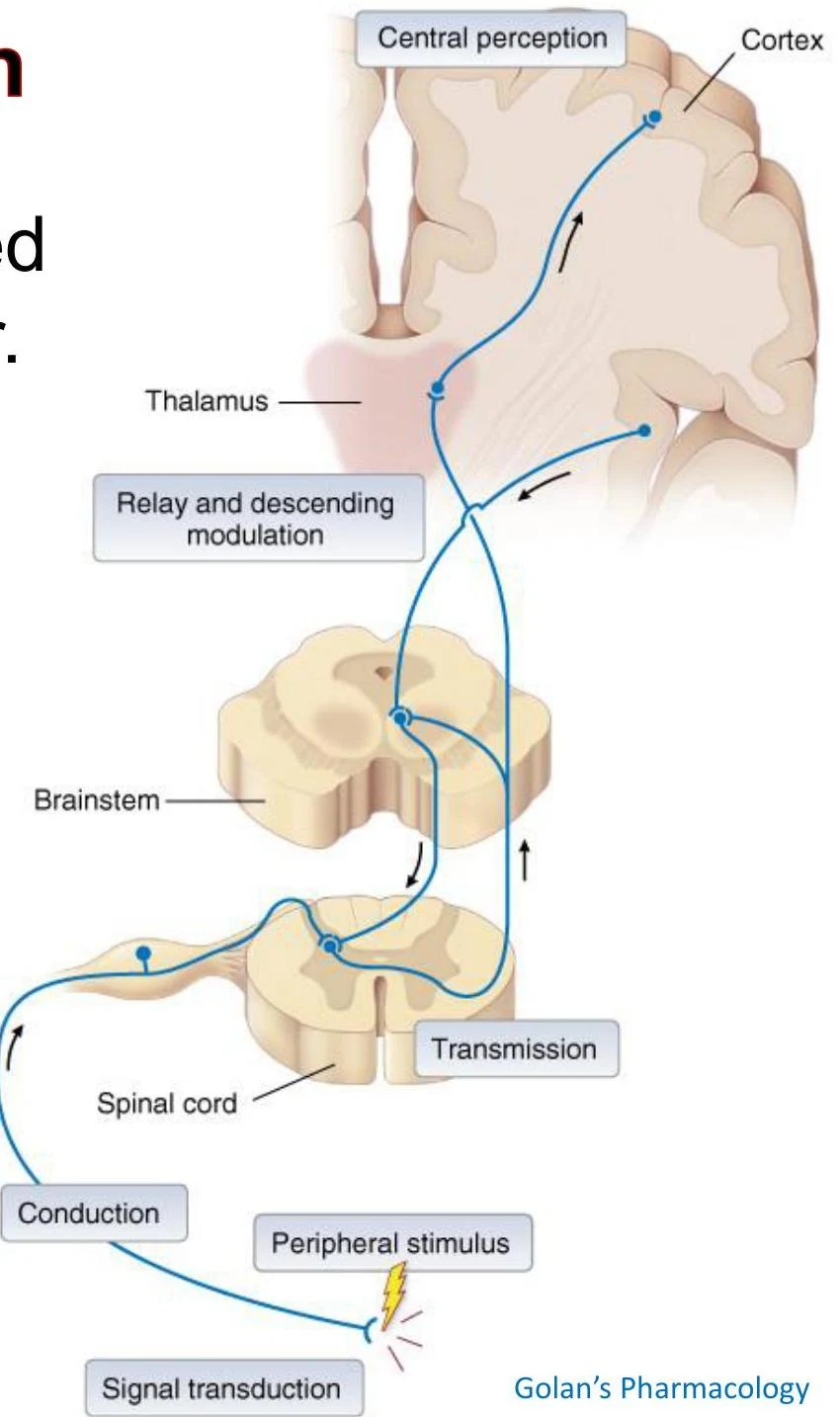
The spinal cord serves as the primary conduit for sensory information traveling from the periphery to the brain. To ensure that the brain can distinguish between a sharp needle prick, the warmth of a cup of coffee, or the position of a limb in space, the nervous system utilizes specialized "highways" known as ascending tracts. These pathways are categorized based on the specific sensory modalities they carry and their unique anatomical routes through the spinal cord and brainstem.
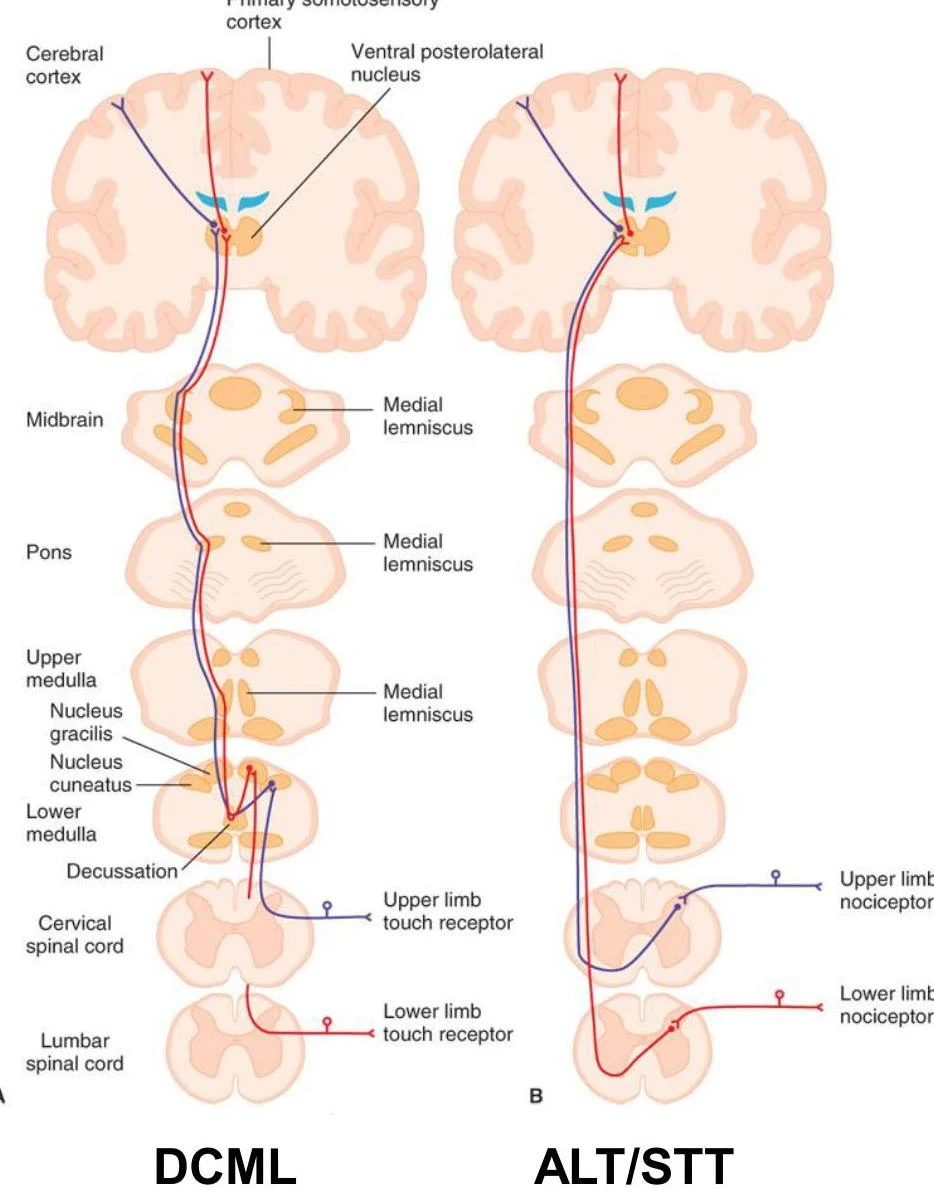
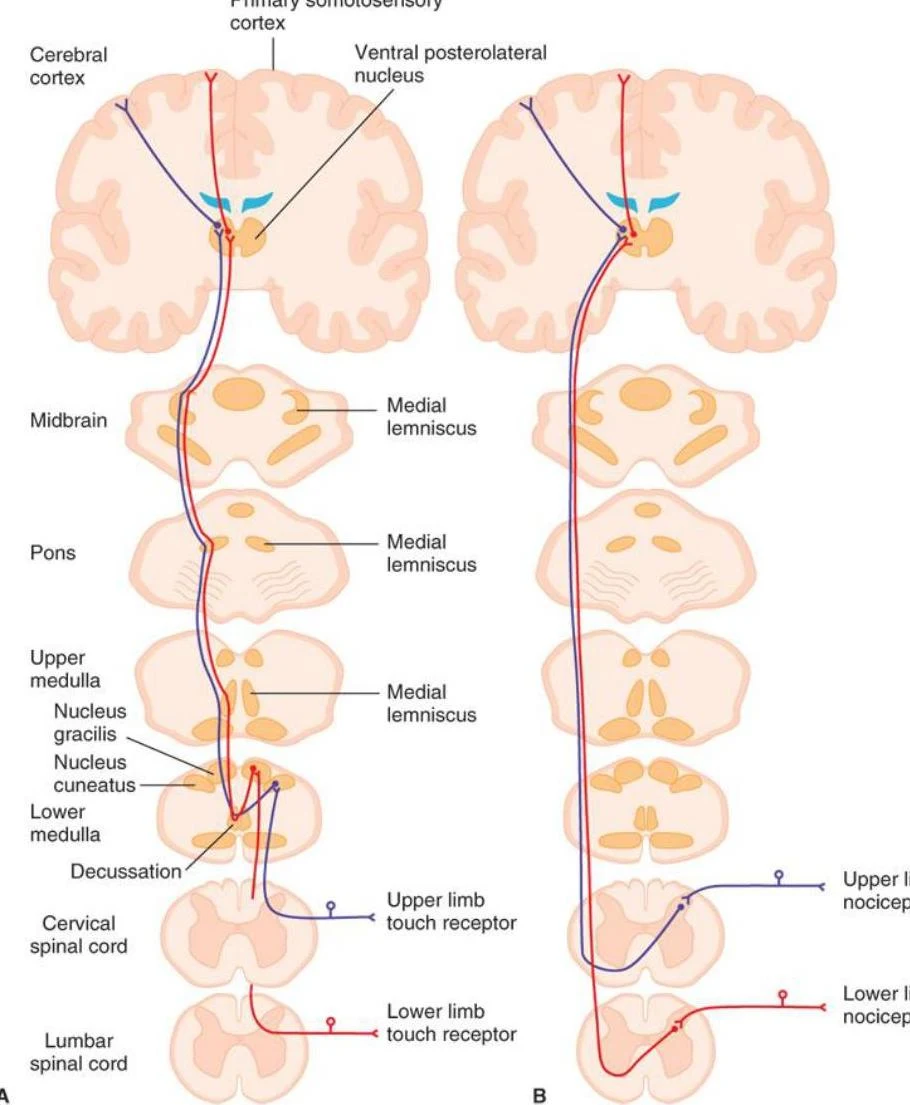
The two most critical systems for somatic sensation are the Anterolateral (Spinothalamic) Tract and the Dorsal Column Medial Lemniscus (DCML) Tract. While they share some initial components, they differ fundamentally in where they cross the midline (decussation) and the type of information they transmit.
The Anterolateral (Spinothalamic) Tract
The Anterolateral tract, often referred to as the spinothalamic tract, is the primary pathway for "protective" sensations. It is responsible for transmitting:
- Pain (nociception): The perception of noxious stimuli.
- Temperature: The ability to distinguish between hot and cold.
- Crude touch: Non-discriminative sensations from the skin.
Anatomical Pathway
The transmission of these signals follows a three-neuron relay system:
- First-Order Neurons: These are peripheral sensory neurons with cell bodies located in the dorsal root ganglia. Their axons enter the spinal cord via the dorsal roots.
- Second-Order Neurons: Upon entering the spinal cord, the first-order axons synapse in the dorsal horn. Crucially, these second-order neurons decussate (cross to the opposite side) almost immediately within the spinal cord. They then ascend through the anterior and lateral portions of the spinal cord.
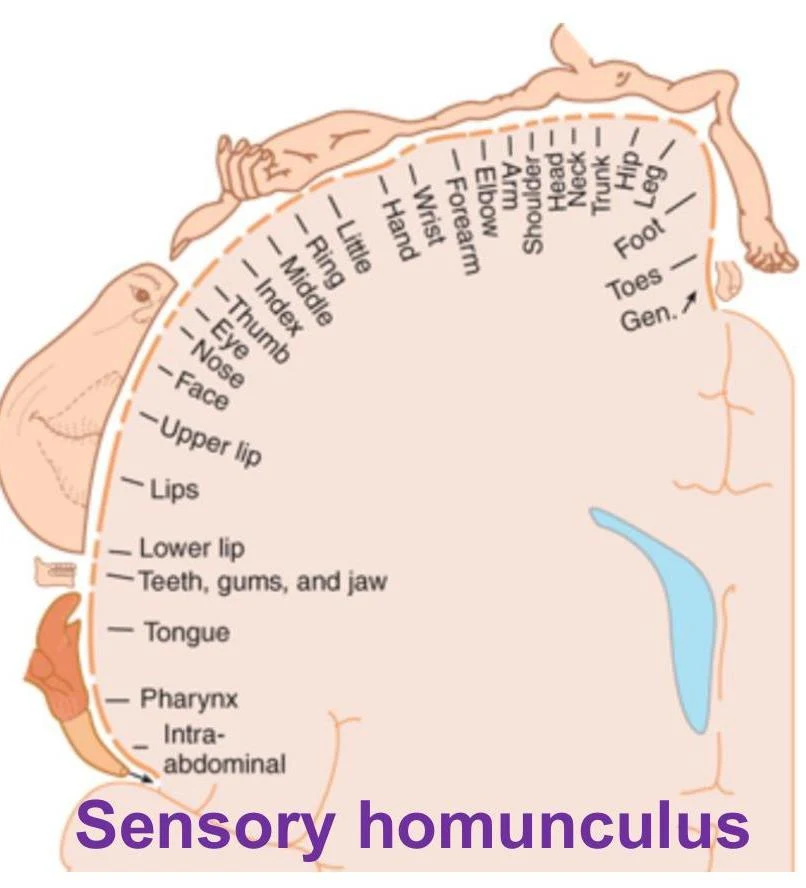
- Third-Order Neurons: The axons terminate in the thalamus. From there, third-order neurons project the information to the cerebral cortex.
Keep reading for free.
Create an account to finish this reading and make it part of your study routine.
Continue reading freeAlready have an account? Log in
Updated