


The development of modern antimicrobial drugs in the 1940s revolutionized medicine, allowing clinicians to control infections that were once fatal. However, the rise of antibiotic resistance due to overuse and bacterial mutations has brought us closer to a "postantibiotic" era. The ultimate goal of antimicrobial pharmacology is to achieve selective toxicity: administering a drug that destroys or inhibits the infective agent without harming the host's cells.
Principles of Antimicrobial Therapy
To effectively treat an infection, a drug must be easy to administer, reach the site of infection, remain active for the necessary duration, and be safely excreted. Clinicians must consider three critical factors before beginning therapy:
- The identity of the microorganism causing the infection.
- The degree of the microorganism's susceptibility to various drugs.
- The overall medical condition of the patient, including vital signs, comorbidities, and blood lab results.
Exam Tip: Identification of the infectious agent should ideally occur before antimicrobial drugs are administered, as the drugs can reduce the number of microbes, making them harder to detect.
Testing for Drug Susceptibility
Once a pathogen is identified, clinicians must determine which drugs will be effective. Testing for drug susceptibility is mandatory for specific organisms, including all Staphylococcus species, Neisseria gonorrhoeae, Enterococcus faecalis, and aerobic, gram-negative intestinal bacilli like E. coli and Salmonella.
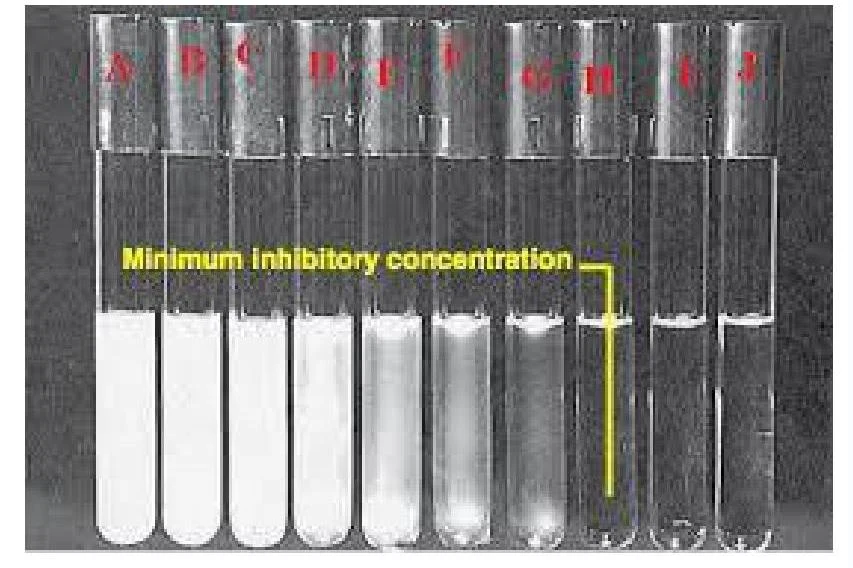
Testing involves exposing a pure culture of the microbe to different drugs and observing the effects on growth. There are two primary methods used in the laboratory:
Disc Diffusion Testing (Kirby-Bauer Technique)
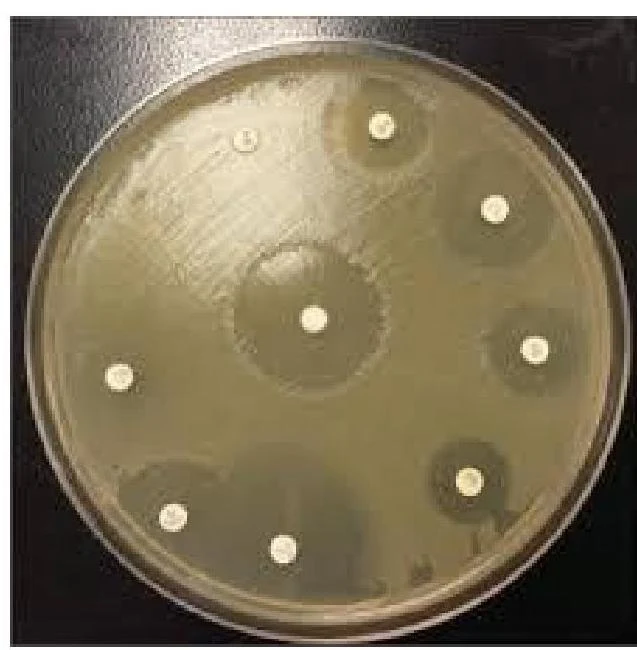
The Kirby-Bauer technique is a common method of disc diffusion testing. In this process, the surface of an agar plate is spread with the test bacterium. Small paper discs containing a specific amount of antibiotic are then placed on the plate.

Keep reading for free.
Create an account to finish this reading and make it part of your study routine.
Continue reading freeAlready have an account? Log in
Updated