


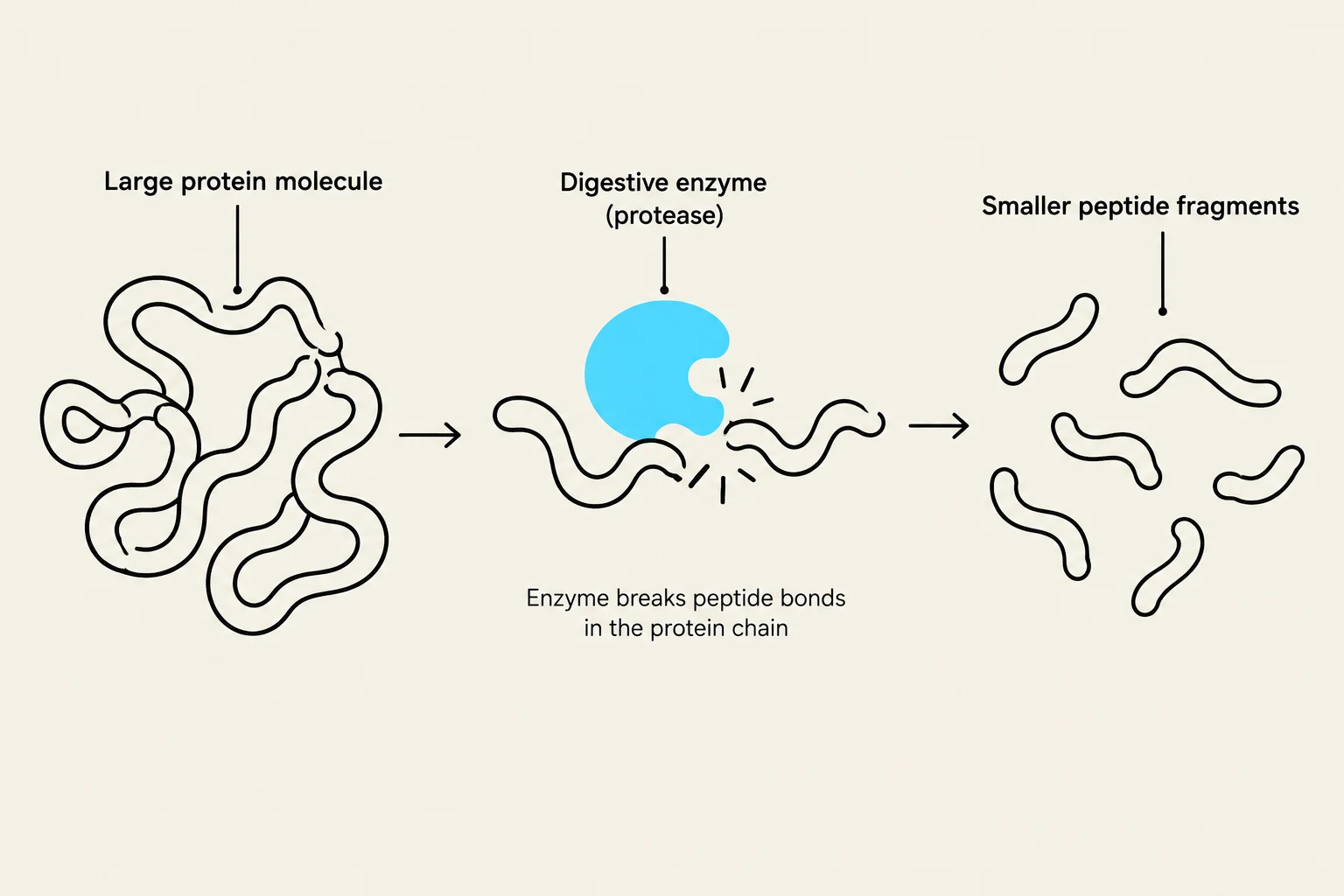
In the study of immunology, we often use the terms "antigen" and "immunogen" interchangeably in casual conversation. However, a critical distinction exists between a substance that is simply recognized by the immune system and one that is capable of triggering an active immune response. One of the most significant barriers to a substance becoming an effective immunogen is its physical state upon entry into the body. For many complex molecules, particularly proteins, the journey from ingestion to immune recognition requires a complex process of breakdown known as digestion and processing.
Defining the Terms: Antigen vs. Immunogen
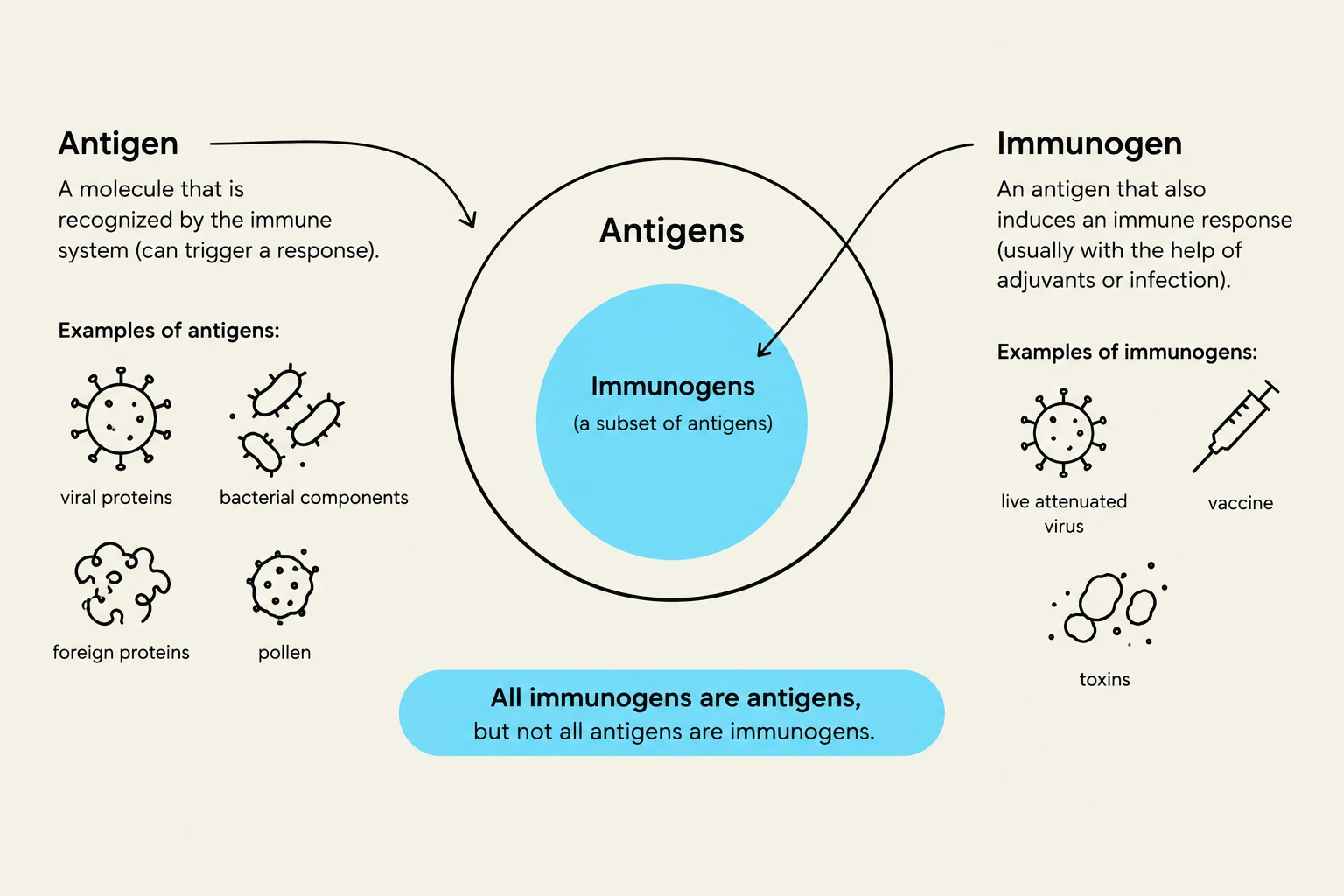
To understand why digestion is necessary, we must first clarify the relationship between antigens and immunogens. An antigen is any substance that can bind specifically to an antibody or a T-cell receptor. However, not all antigens are capable of inducing an immune response on their own.
An immunogen is a specific type of antigen: it is a substance that is capable of inducing a humoral (antibody-mediated) or cell-mediated immune response. While all immunogens are antigens, not all antigens are immunogens.
Exam Tip: If a question asks about a substance that binds to an antibody but fails to trigger the production of new antibodies, it is an antigen, but it is not an immunogen.
Keep reading for free.
Create an account to finish this reading and make it part of your study routine.
Continue reading freeAlready have an account? Log in
Updated