


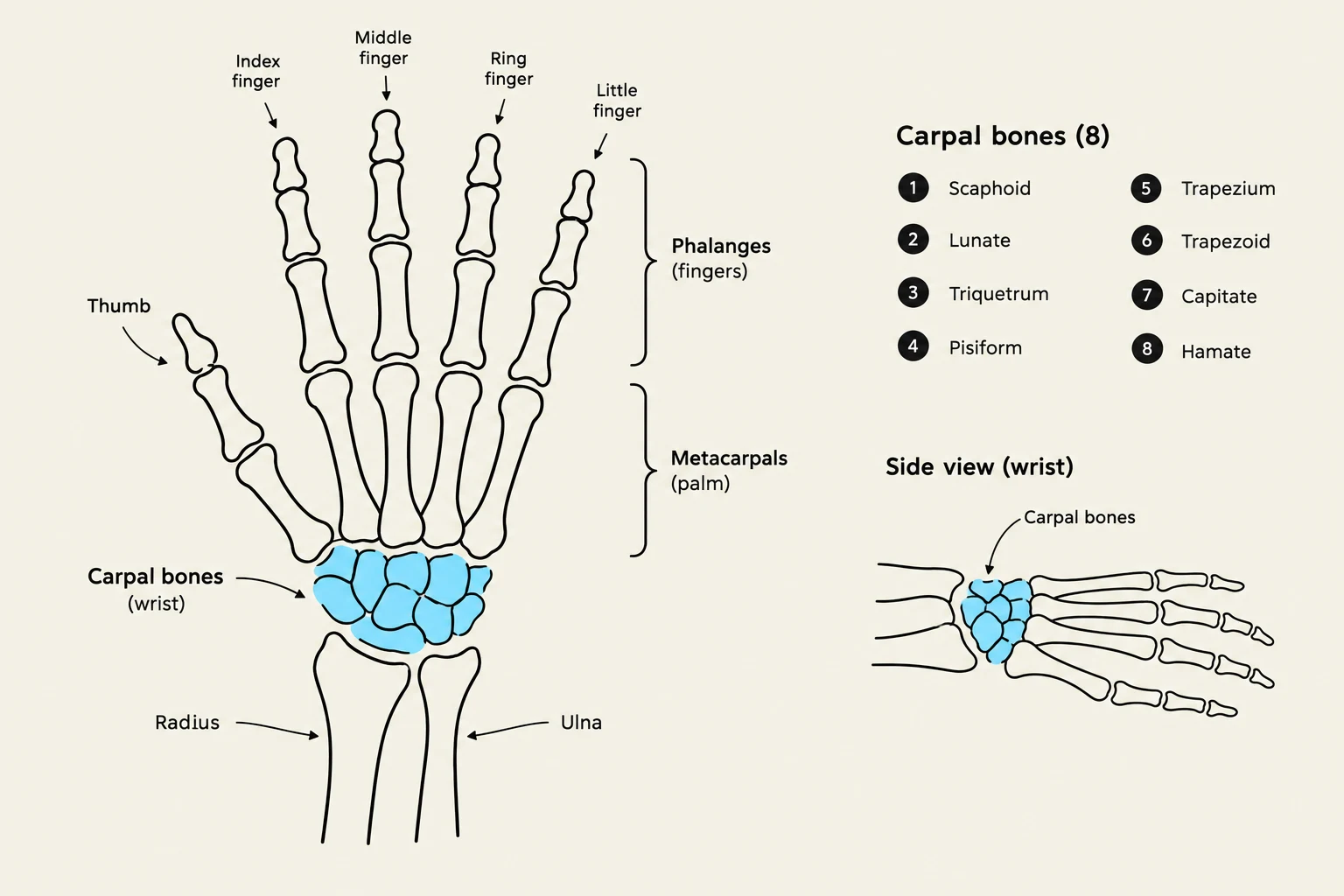
Understanding the anatomy of the upper extremity requires a deep dive into how the shoulder girdle, wrist, and hand function as an integrated system. From the complex rotational mechanics of the scapula to the intricate bony architecture of the carpal tunnel, each component plays a vital role in human movement and dexterity. This article serves as a study guide to help you master scapular motions, rotator cuff function, and the structural anatomy of the wrist and hand.
Scapular Kinematics and Motion
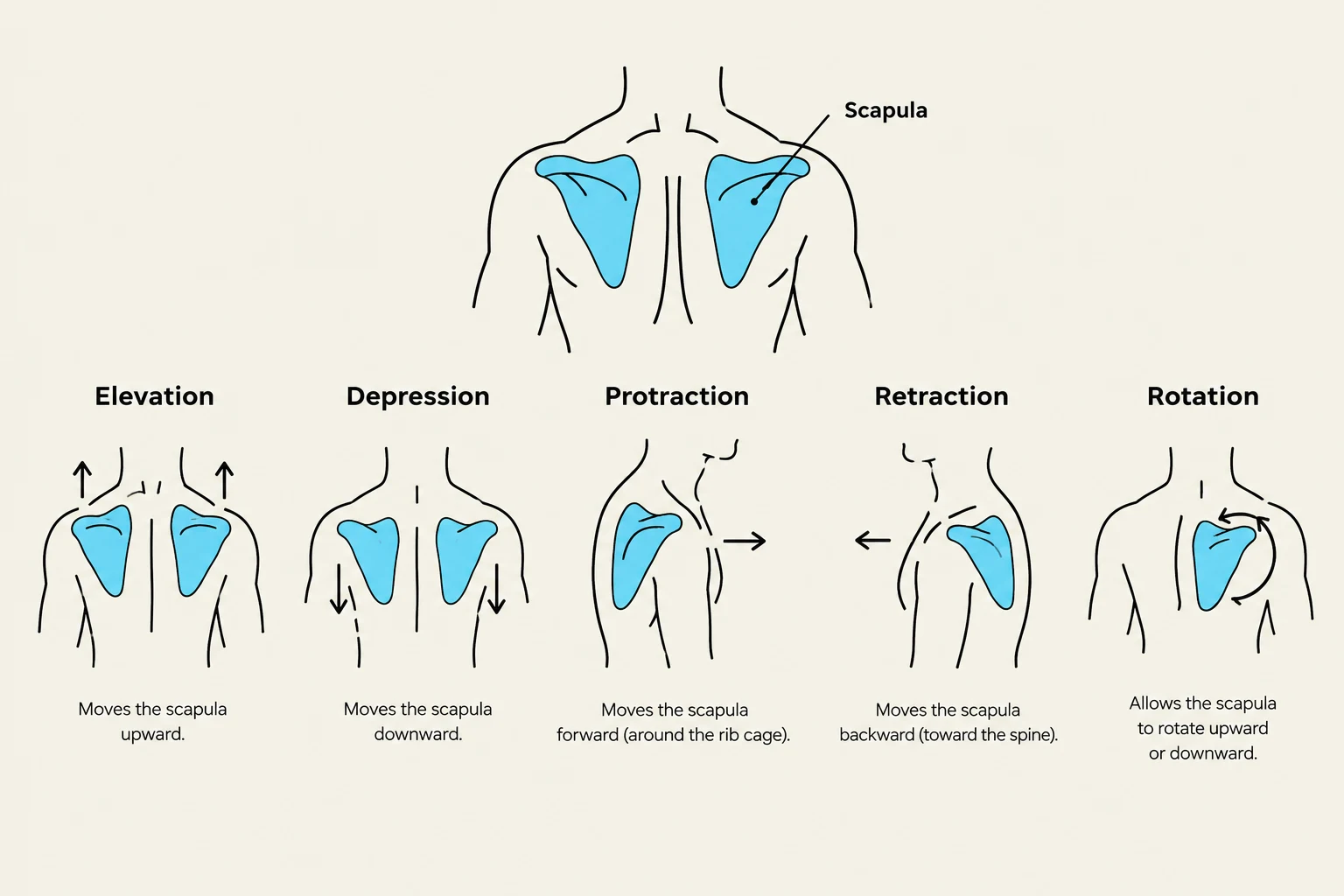
The scapula (shoulder blade) does not move in isolation; its position is critical for maintaining the stability of the glenohumeral joint. To understand scapular movement, we must categorize motions into simple, combined, and complex patterns.
Simple and Combined Motions
Scapular motions can be described through several primary planes of movement:
- Elevation and Depression: Moving the scapula upward (toward the ears) or downward (toward the feet). The prime movers for elevation include the Upper Trapezius and Levator Scapulae.
- Abduction and Adduction: Also known as lateral and medial movement, these describe the scapula moving away from or toward the vertebral column.
- Protraction and Retraction: Protraction involves the scapula moving away from the spine (rounding the shoulders), while retraction involves pulling the scapula toward the spine.
Force Couples and Rotational Mechanics
A "force couple" occurs when two or more muscles pull in different directions to create a single rotational movement. This is essential for the smooth rotation of the scapula during arm elevation.
- Upward Rotation: Necessary for overhead reaching; this involves a coordinated effort of specific muscle groups.
- Downward Rotation: The return motion that brings the scapula back to its resting position.
Keep reading for free.
Create an account to finish this reading and make it part of your study routine.
Continue reading freeAlready have an account? Log in
Updated