


The superficial back is a complex anatomical region characterized by a sophisticated arrangement of musculature, fascia, and neurovascular pathways. While often viewed simply as a structural support for the trunk, the superficial back plays a critical role in stabilizing the scapula, facilitating shoulder motion, and maintaining cervical posture. For clinicians, understanding the specific boundaries of the muscles and the spaces they create is essential for physical assessment, auscultation, and identifying potential nerve entrapments.
Key Musculature of the Superficial Back
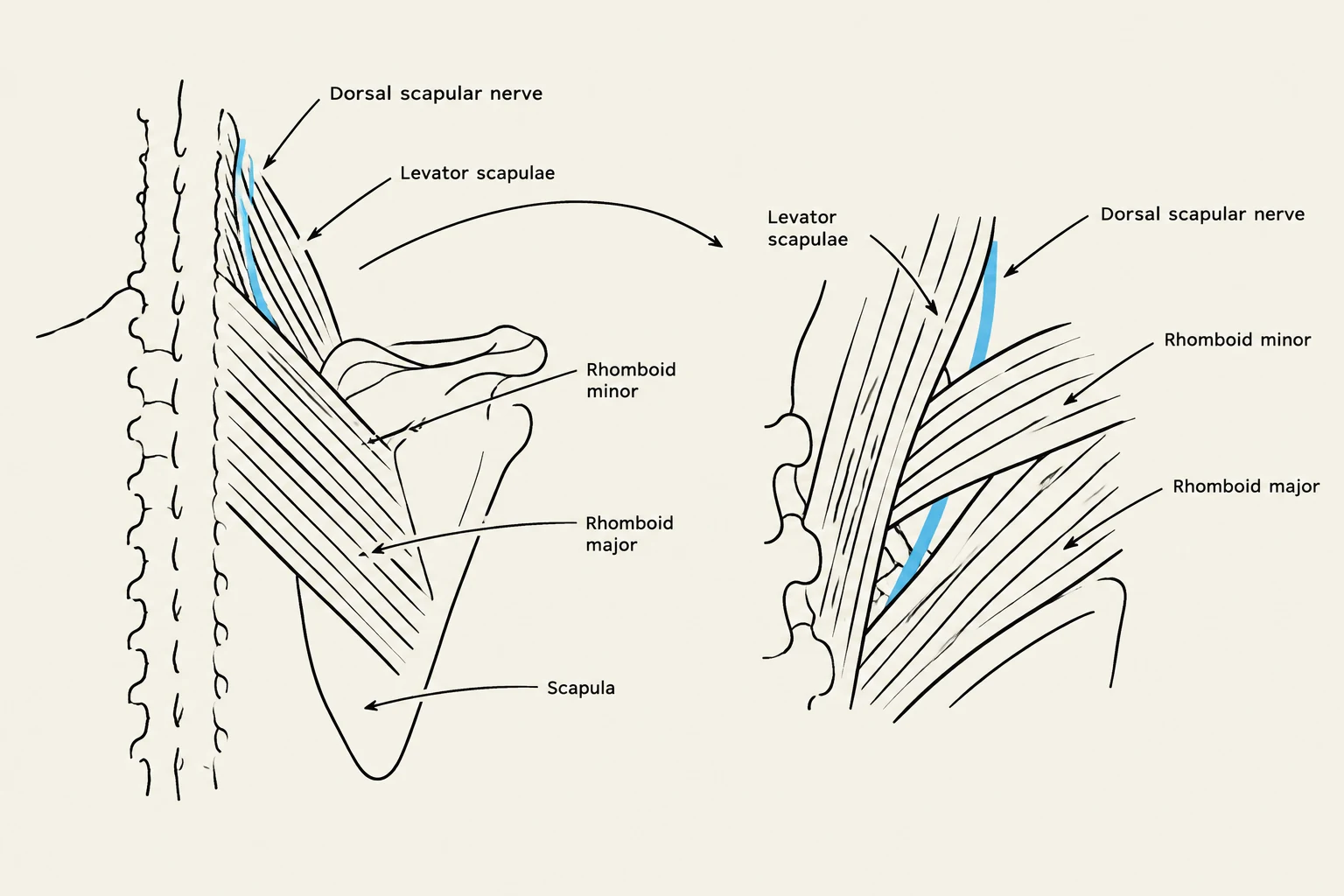
The muscles of the superficial back are primarily concerned with connecting the upper limb to the vertebral column and stabilizing the scapula to provide a base for the humeral head.
The Trapezius Muscle
The trapezius is perhaps the most prominent landmark of the superficial back. It is a large, superficial muscle that originates from the external occipital protuberance, the ligamentum nuchae, and the spinous processes of the cervical and thoracic vertebrae. Its insertion points vary by fiber direction:
- Upper fibers: Elevate the shoulder and assist in upward rotation of the scapula.
- Middle fibers: Retract the scapula (often described as "squaring the shoulders").
- Lower fibers: Depress the scapula and assist in upward rotation.
Innervation of the trapezius is unique, primarily supplied by the spinal accessory nerve (CN XI), though there is an ongoing anatomical debate regarding whether the cervical fibers (C3, C4) provide efferent (motor) signals or primarily carry afferent (sensory) information.

Keep reading for free.
Create an account to finish this reading and make it part of your study routine.
Continue reading freeAlready have an account? Log in
Updated