


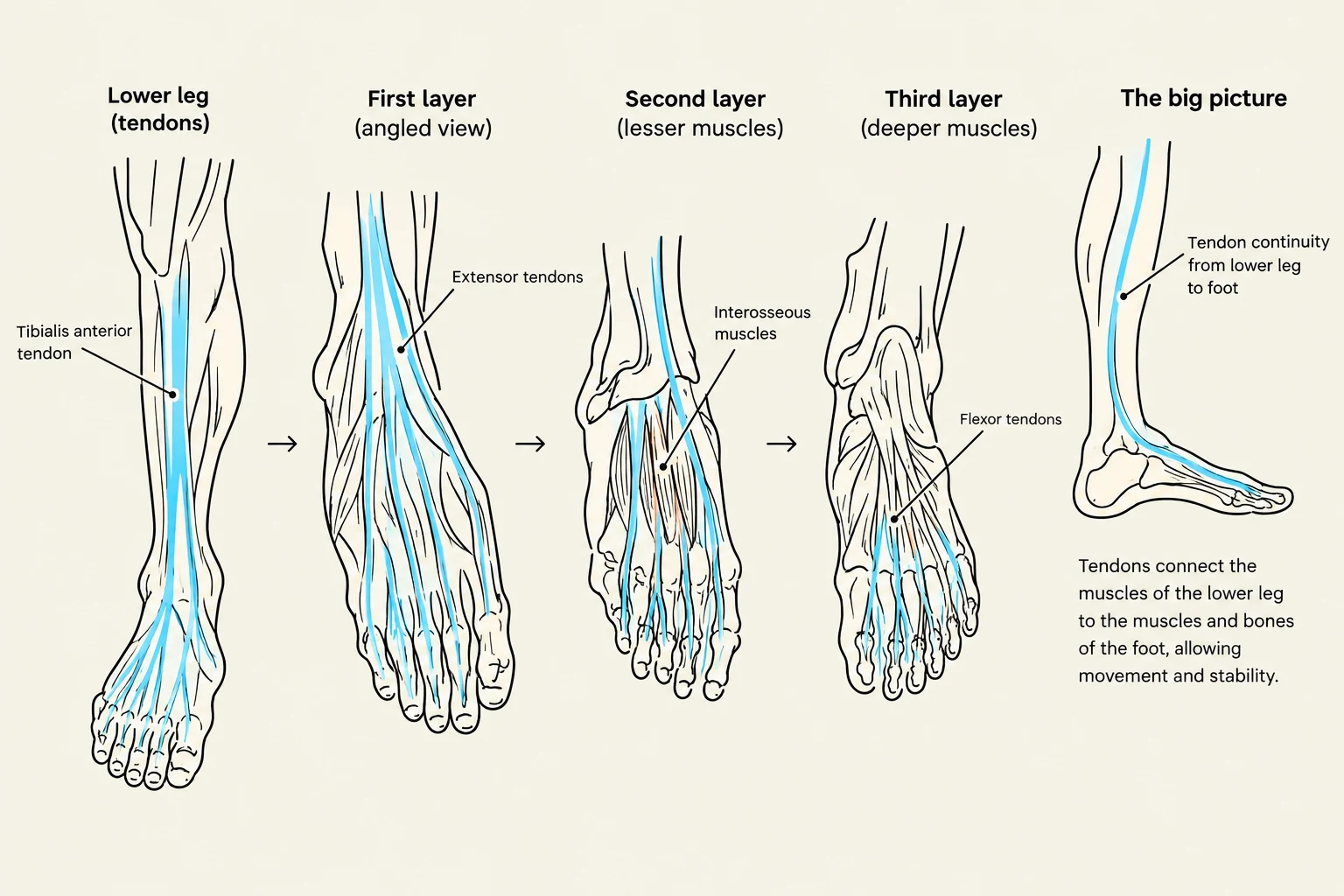
Effective clinical practice requires a dual mastery of anatomical knowledge and professional communication skills. In a clinical setting, it is not enough to simply know where a structure lies; you must also be able to explain your intentions to a patient in a way that respects their autonomy and ensures their understanding. This article explores the complex anatomy of the foot—covering its bones, joints, vasculature, and musculature—while providing essential guidance on using lay language to obtain valid informed consent.
Clinical Communication: The Art of Informed Consent
Before any physical examination begins, a clinician must establish a foundation of trust and clarity. This is achieved through the process of obtaining consent. However, many students make the mistake of treating consent as a formality or a statement of intent rather than an active dialogue.
Using Lay Language
One of the most significant barriers to effective communication is the use of medical jargon. While terms like "palpate" or "ischial tuberosities" are standard in a classroom or a peer-to-peer viva, they are often incomprehensible to the general public. Using such language can cause confusion, anxiety, or even shock to a patient when you begin your examination.
To bridge this gap, practitioners must prioritize lay language. This involves replacing technical terms with descriptive, everyday words:
- Instead of "palpate": Use "touch" or "press".
- Instead of specific anatomical landmarks: Use descriptive locations, such as "your bottom" or "the side of your ankle".
Active Consent vs. Stating Intent
Consent must be an active request. It is a critical error to simply state what you are going to do (e.g., "I am going to touch your foot now"). Instead, you must ask for permission (e.g., "Is it okay if I touch and press around your ankle?"). This ensures the patient is an active participant in the clinical encounter and understands exactly where and how they will be touched.

Keep reading for free.
Create an account to finish this reading and make it part of your study routine.
Continue reading freeAlready have an account? Log in
Updated