


The integumentary system is much more than just a protective outer covering; it is a complex organ system essential for maintaining homeostasis. Among its many accessory structures, hair (pili) and nails play vital roles in protection, sensation, and physical function. While they may seem simple, their microscopic anatomy reveals highly organized structures designed for durability and specialized biological tasks.
Anatomy of the Hair (Pili)
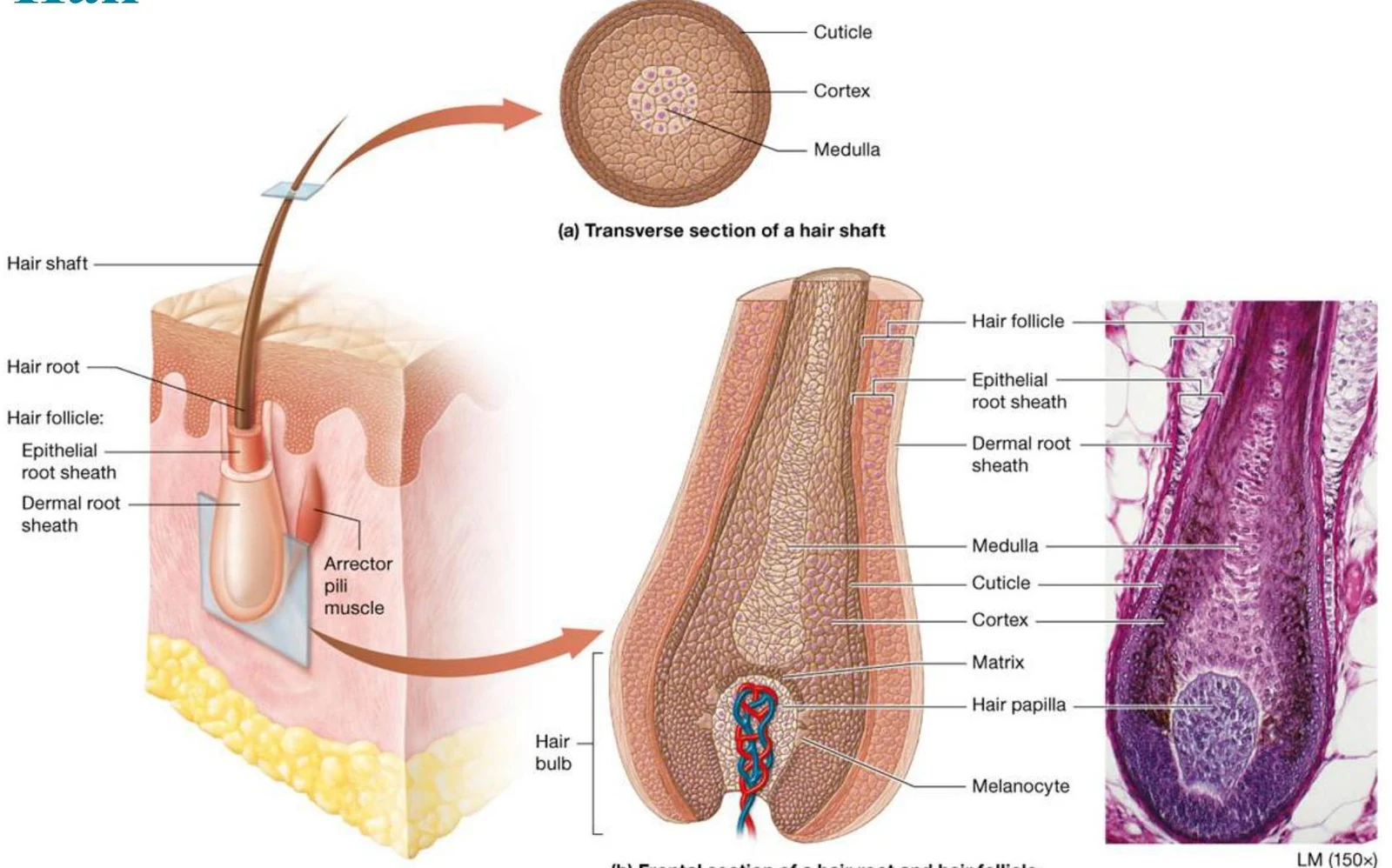
Hair consists of small, filamentous structures that protrude from the skin across most of the body. They serve several critical functions: protecting the eyes and nose from environmental contaminants, shielding the scalp from UV radiation and mechanical trauma, and acting as sensory tools via associated neurons.
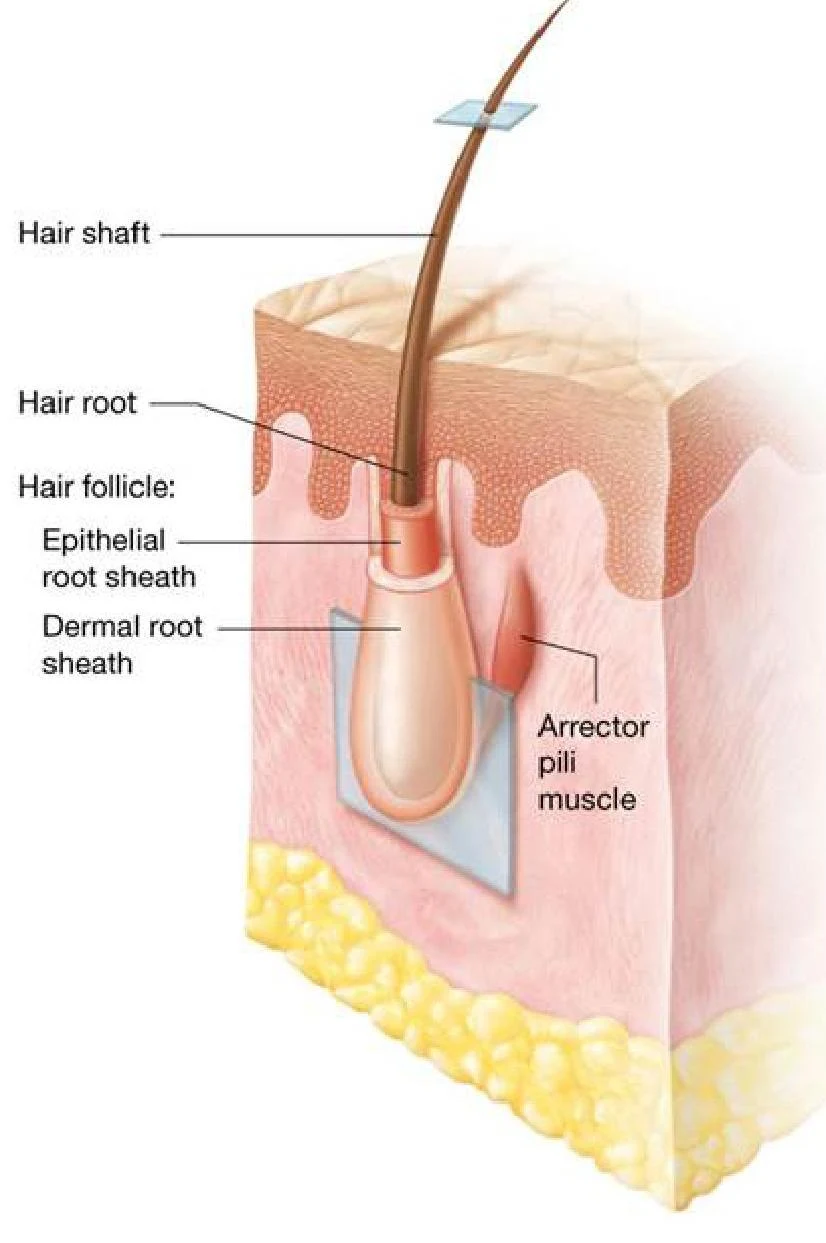
The Hair Shaft and Root
A single strand of hair is divided into two main segments based on its relationship to the skin surface:
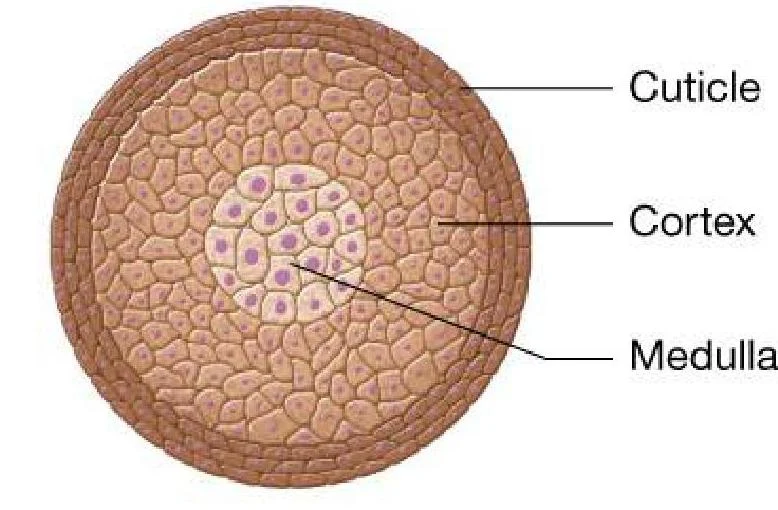
- Hair Shaft: This is the visible portion of the hair that projects above the skin's surface. It is composed of columns of dead epithelial cells.
- Hair Root: This is the segment of the hair embedded within the dermis.
At the very base of the root lies the hair bulb. The bulb is formed by the combination of the hair root and the hair papilla, which is a projection of dermal blood vessels that provides nutrients to the growing hair. Within this bulb, a group of actively dividing keratinocytes known as the matrix is responsible for continuous hair growth.

Keep reading for free.
Create an account to finish this reading and make it part of your study routine.
Continue reading freeAlready have an account? Log in
Updated