


The shoulder joint, scientifically known as the glenohumeral joint, is a sophisticated ball-and-socket articulation that serves as the most mobile joint in the human body. This high degree of mobility, while essential for complex tasks involving the upper limb, necessitates a highly specialized arrangement of bones, ligaments, and muscles to maintain stability and prevent dislocation.
Skeletal Anatomy and Articulation
The fundamental structure of the shoulder joint is formed by the articulation between the head of the humerus (the "ball") and the glenoid cavity of the scapula (the "socket").
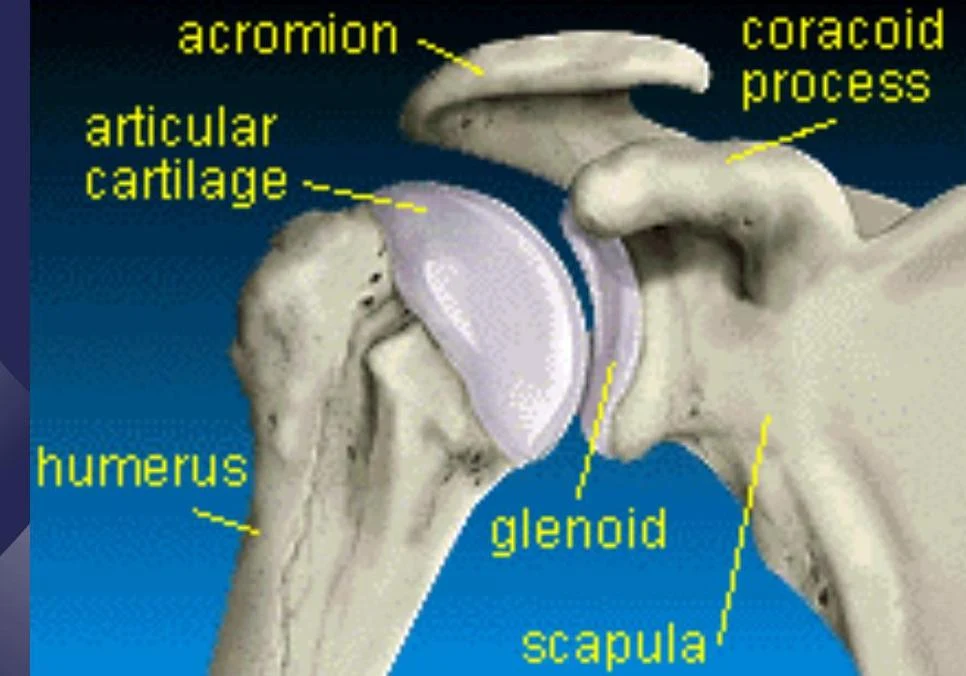
Because the glenoid cavity is relatively shallow, it does not provide much inherent bony stability. To compensate for this, the cavity is deepened and supported by the glenoid lip or glenoid labrum, a fibrocartilaginous structure that increases the surface area for the humeral head to rest upon.

Stabilizing Structures: Ligaments and Tendons
To prevent the humeral head from slipping out of the shallow glenoid cavity, several ligamentous structures provide passive stability:
- Coracohumeral ligament: Connects the coracoid process of the scapula to the humerus.
- Glenohumeral ligaments: Strengthen the anterior aspect of the joint capsule.
- Transverse ligament of the humerus: Helps stabilize the relationship between the humerus and its surrounding structures.
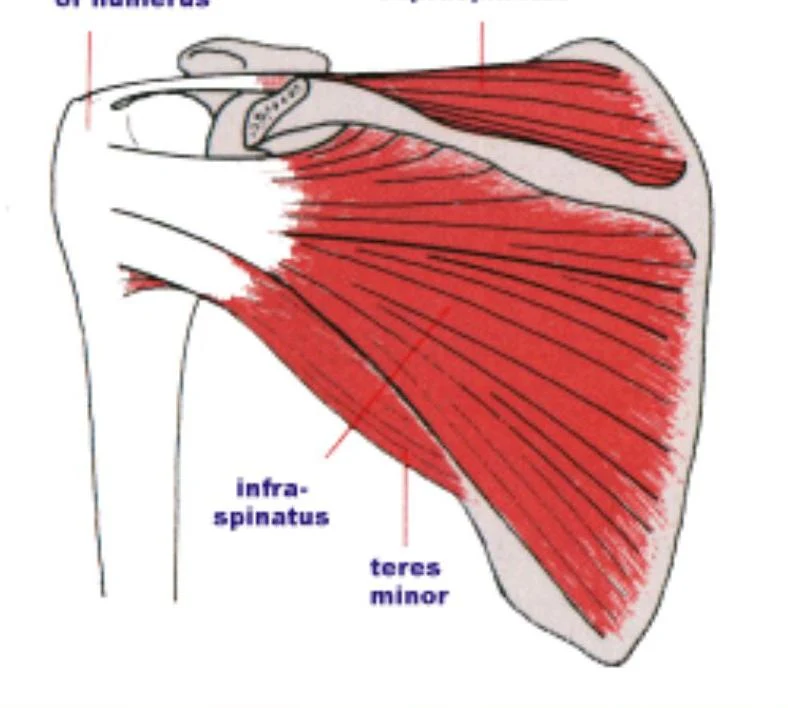
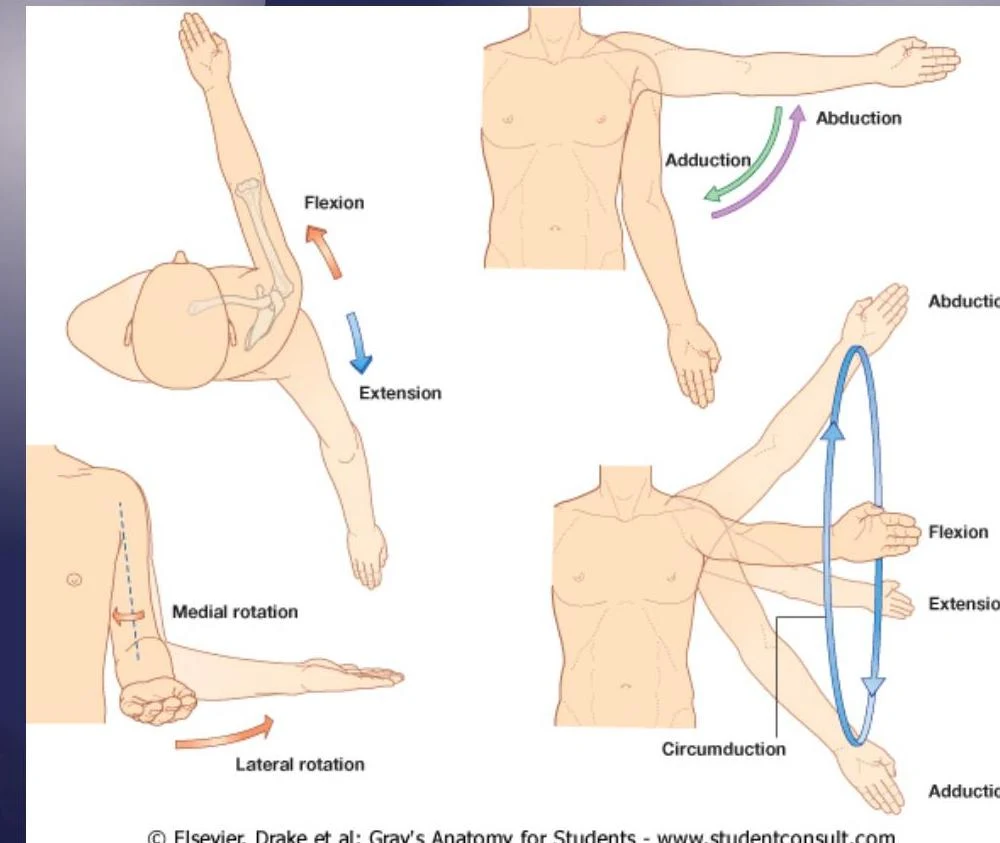
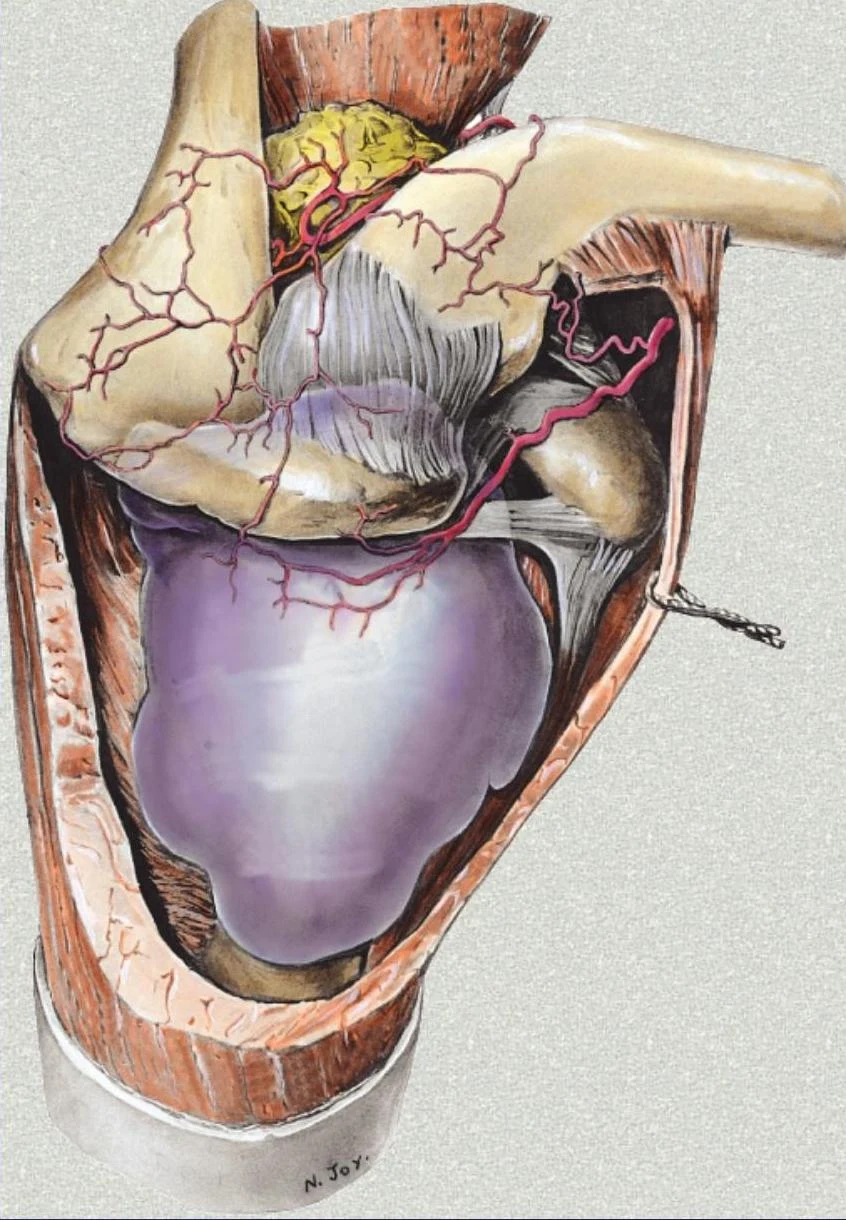
Keep reading for free.
Create an account to finish this reading and make it part of your study routine.
Continue reading freeAlready have an account? Log in
Updated