


Understanding the human muscular system requires more than just memorizing names; it requires an understanding of how muscles are anchored, how they move bones, and how the nervous system commands them to act. Skeletal muscles work in concert to produce movement, stabilize joints, and maintain posture through complex neuromuscular interactions.
Characterizing a Muscle
To describe a muscle's function and position, anatomists use a specific set of terminology. Every skeletal muscle is defined by its attachment points, its intended movement, and its nerve supply.
Origin and Insertion
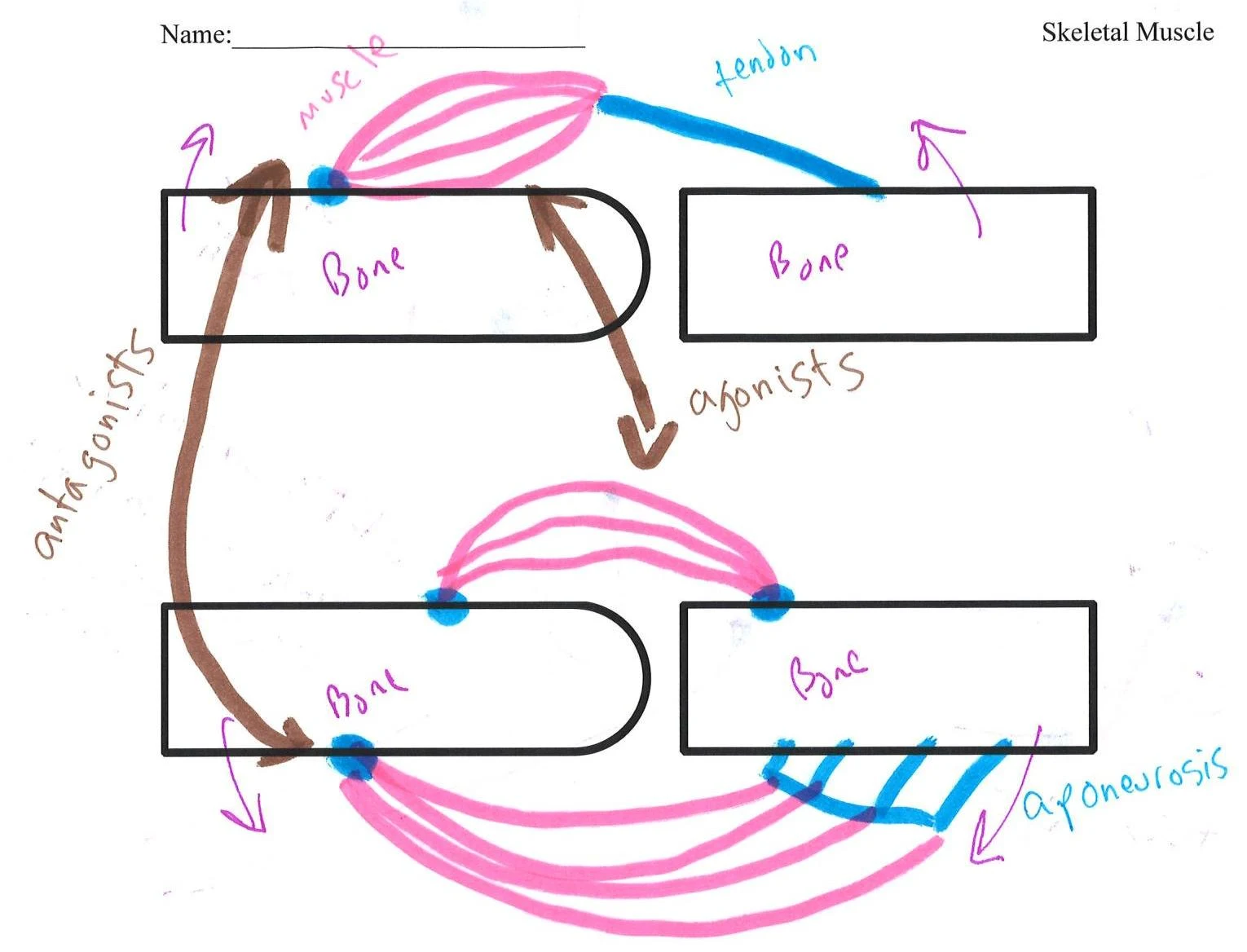
Muscles are attached to bones via tendons or aponeurosis. These attachment points are categorized into two types:
- Origin: The attachment point on the bone that tends to remain relatively still during contraction. This is typically the proximal end of the muscle.
- Insertion: The attachment point on the bone that is moved by the muscle's contraction. This is typically the distal end.
Action and Innervation
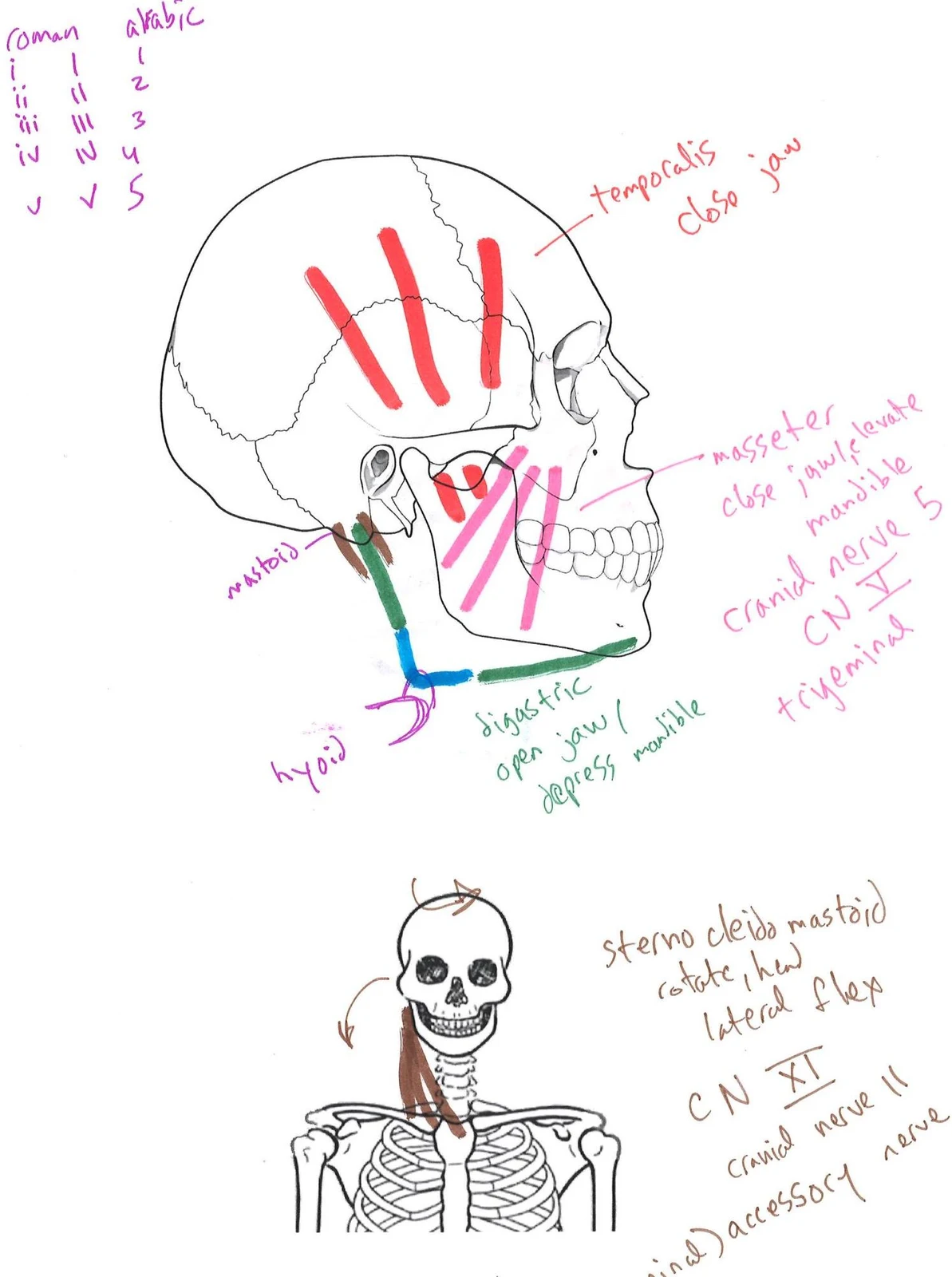
The action of a muscle refers to the specific movement it produces, such as rotation or flexion. For a muscle to perform this action, it must receive a signal from the nervous system. This is known as innervation, which is the specific motor nerve supply that triggers the muscle to contract.
Study Tip: When analyzing a joint, remember that muscles located on the "top" or anterior side of a joint often pull the limb toward the body.

Keep reading for free.
Create an account to finish this reading and make it part of your study routine.
Continue reading freeAlready have an account? Log in
Updated