


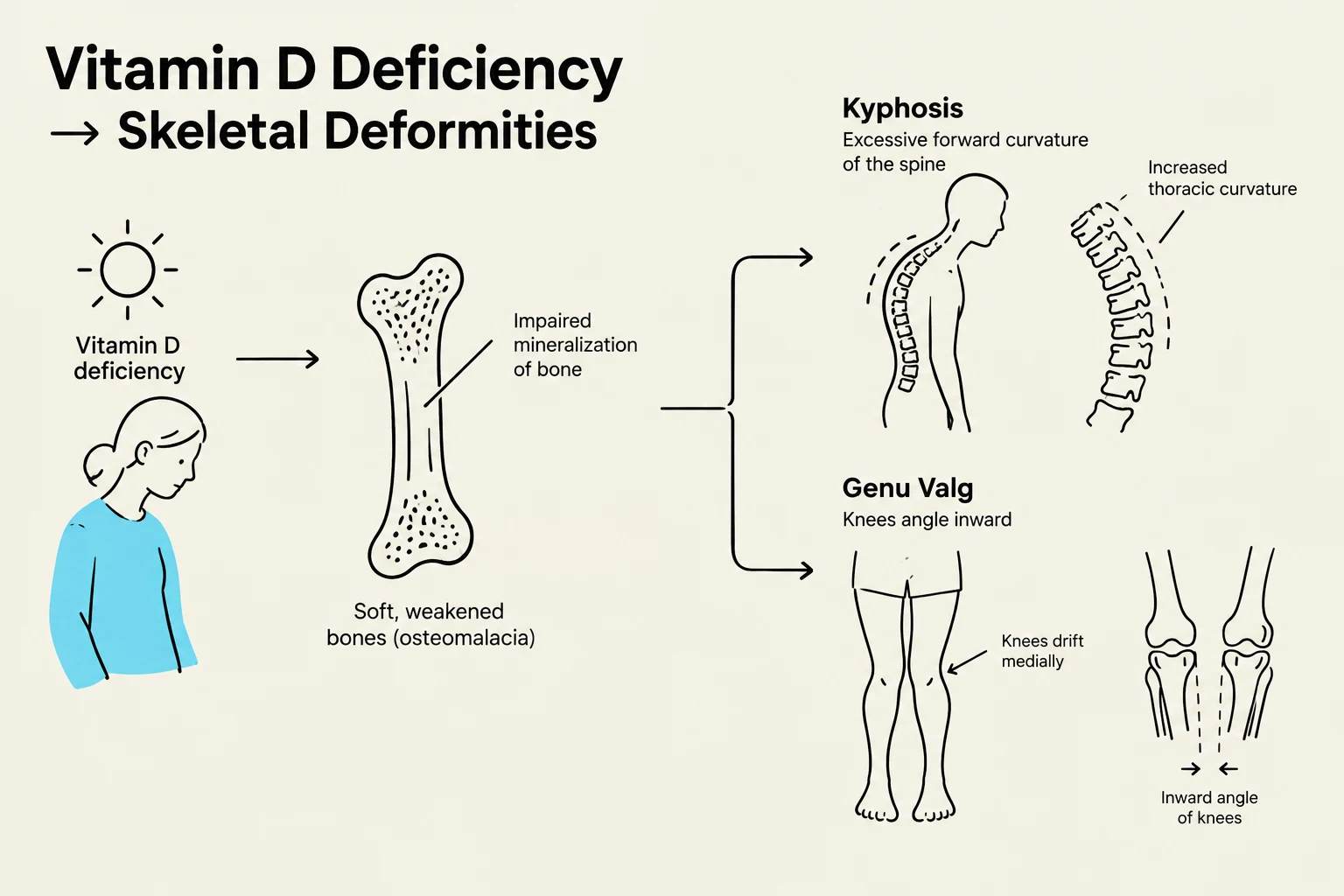
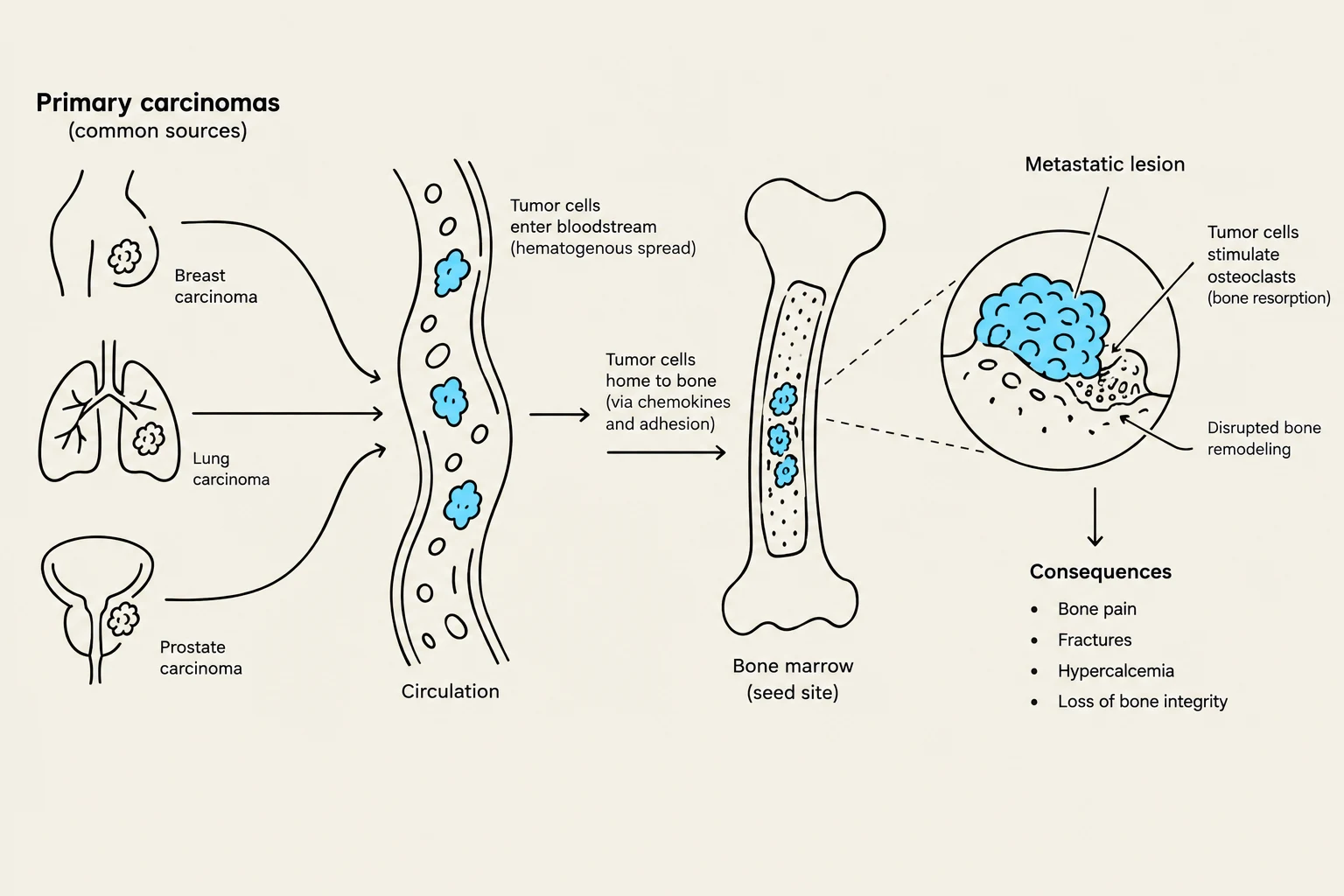
Bone is a dynamic, living tissue that undergoes constant remodeling through a delicate balance of formation and resorption. When this balance is disrupted—whether by hormonal changes, nutritional deficiencies, or structural abnormalities—the integrity of the skeletal system is compromised. Understanding these alterations is essential for recognizing the progression from subtle density loss to significant physical deformities and fractures.
The Mechanics of Bone Remodeling
To understand bone disease, one must first understand the two primary processes of bone maintenance: bone formation and bone resorption. In a healthy individual, these two processes exist in equilibrium. Osteoblasts work to build new bone matrix, while osteoclasts break down old or damaged bone.
The skeletal system is composed of two main types of bone tissue:
- Cortical Bone: The dense, hard outer layer that provides strength and protection.
- Cancellous Bone (Trabecular Bone): The internal, sponge-like network of bone.
Within the cancellous bone, there is a lattice-like structure known as trabeculae. These tiny struts provide structural support and are highly sensitive to metabolic changes.
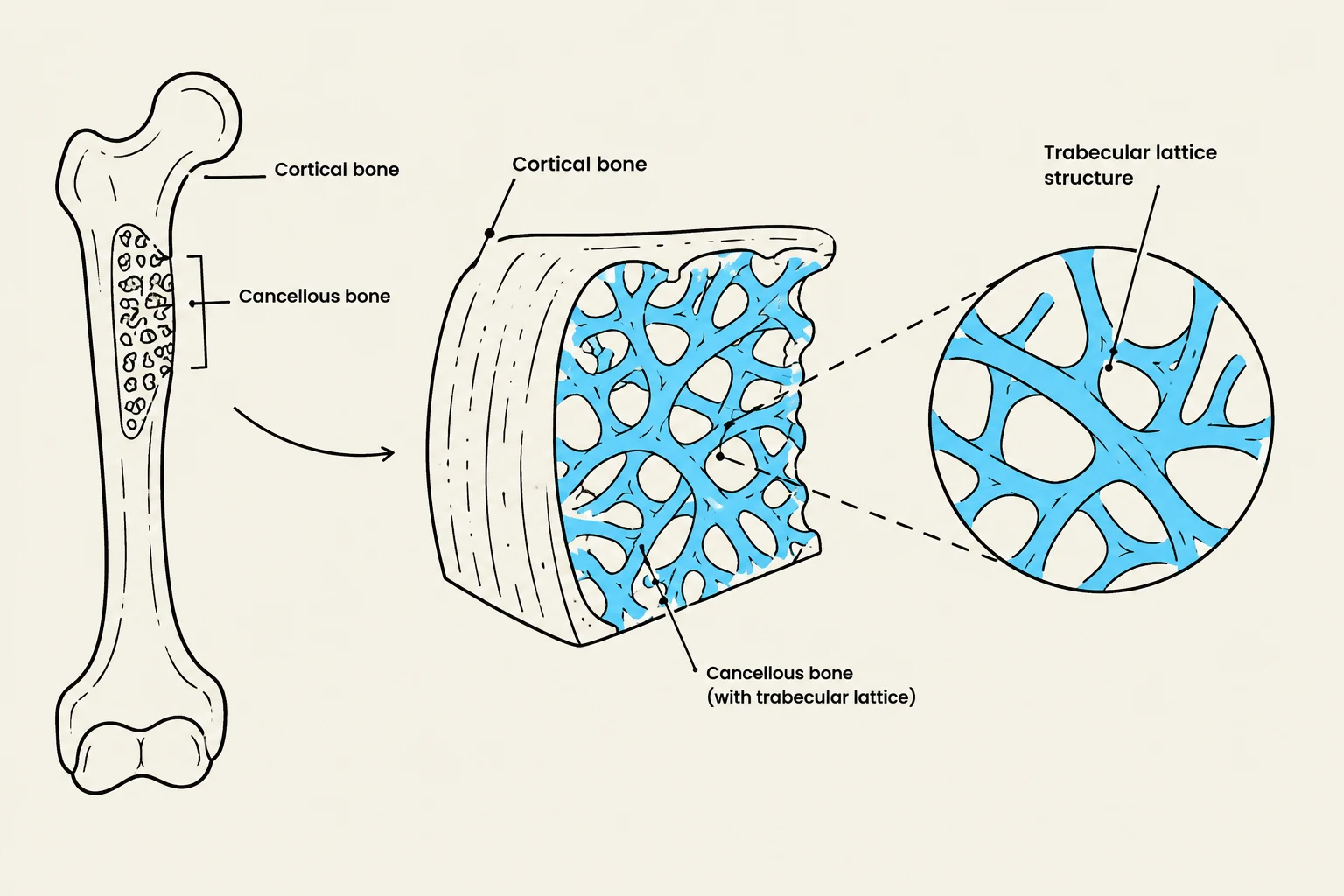
Osteoporosis: A Loss of Density
Osteoporosis is a metabolic bone disease that occurs when the rate of bone resorption exceeds the rate of bone formation. This imbalance leads to a significant decrease in bone mass, making the skeleton fragile and highly susceptible to fractures.
Keep reading for free.
Create an account to finish this reading and make it part of your study routine.
Continue reading freeAlready have an account? Log in
Updated