


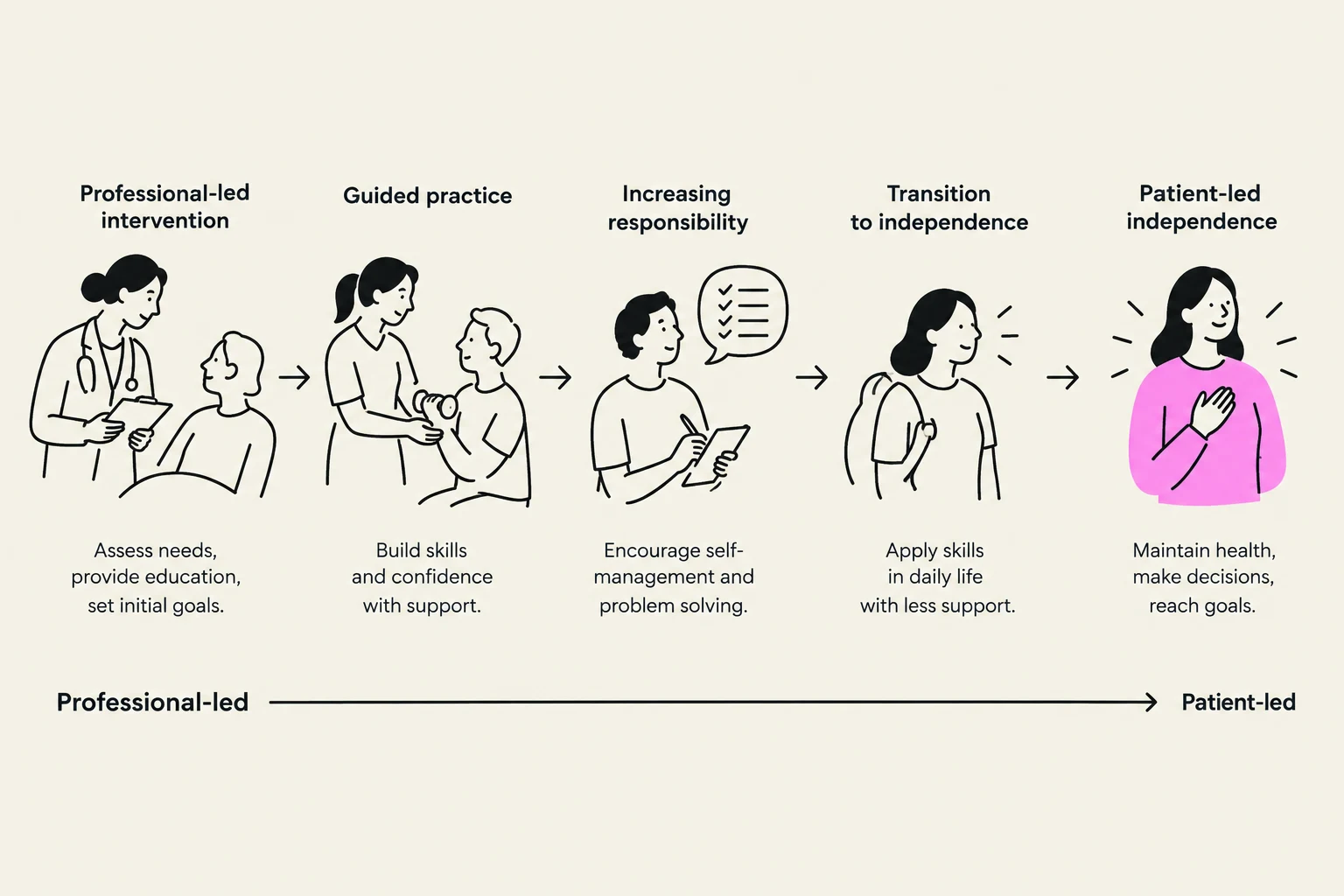
In the realm of healthcare and personal development, teaching and counseling are not merely activities of information transfer; they are strategic interventions designed to facilitate profound change. While teaching often focuses on the acquisition of facts and skills, counseling delves into the psychological and emotional shifts necessary to sustain those changes. Together, these processes aim to empower individuals to navigate their health journeys with confidence, moving from a state of dependency to one of informed independence.
The Four Pillars of Behavioral Change
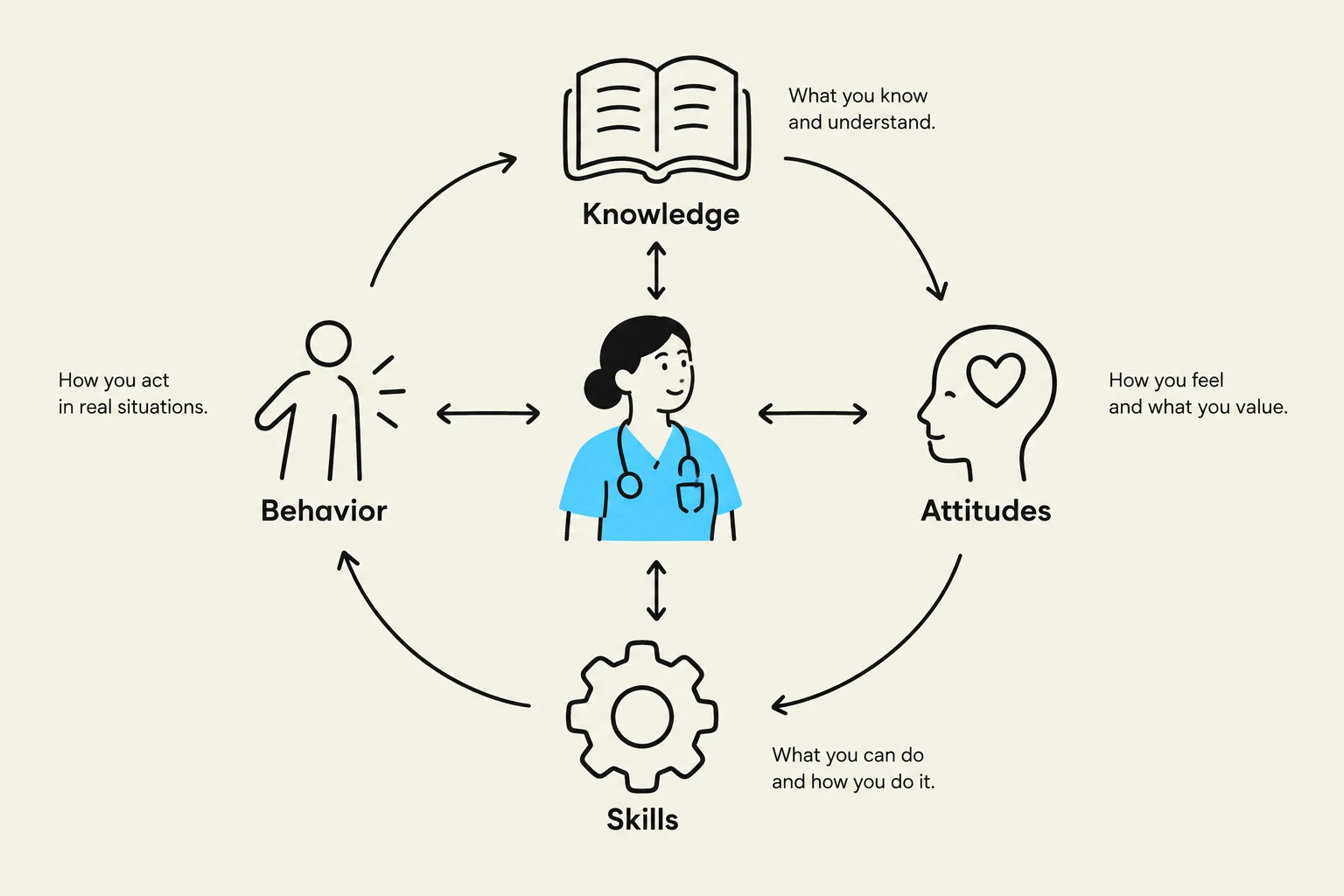
To understand the aims of teaching and counseling, one must look at the specific domains of human capacity they target. Effective intervention seeks to influence four distinct but interconnected areas: knowledge, attitudes, skills, and behaviors.
1. Knowledge (The Cognitive Domain)
The most fundamental aim is the acquisition of knowledge. This involves providing the individual with the "what" and "why" of their situation. For a patient, this might mean understanding the mechanism of a disease or the specific purpose of a prescribed medication.
2. Attitudes (The Affective Domain)
Knowledge alone is rarely enough to change a life. Counseling specifically targets the affective domain—the feelings, values, and beliefs of the individual. If a person knows that smoking is harmful (knowledge) but believes they cannot quit due to stress (attitude), the teaching has failed to address the underlying psychological barrier.
3. Skills (The Psychomotor Domain)
Teaching must also translate into physical capability. This involves the "how-to." For example, a diabetic patient needs the cognitive knowledge of insulin's role, but they also require the psychomotor skill of correctly administering an injection.

Keep reading for free.
Create an account to finish this reading and make it part of your study routine.
Continue reading freeAlready have an account? Log in
Updated