


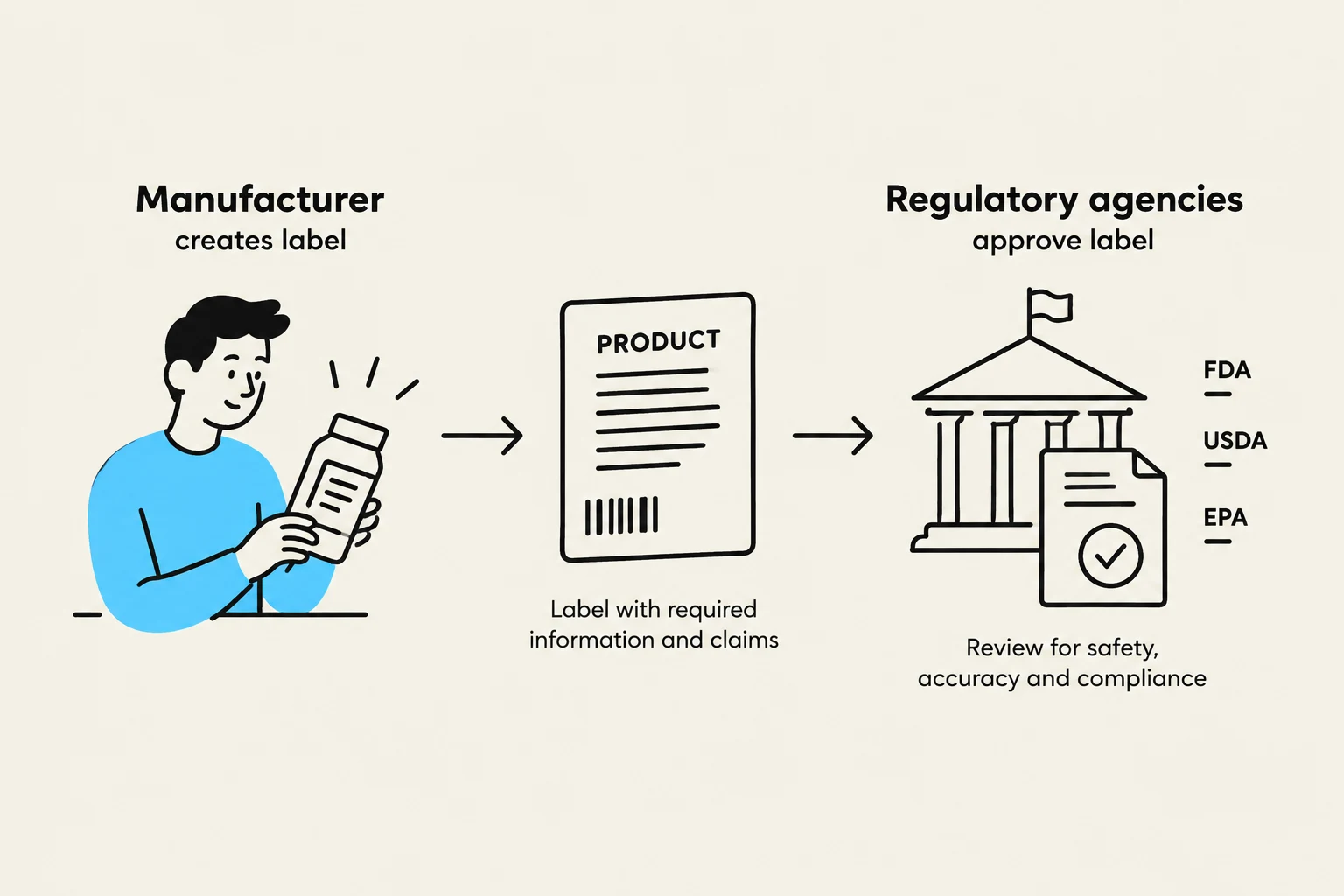
In the world of agricultural chemical application, there is a fundamental principle that every professional must internalize: the label is the law. This is not merely a suggestion or a set of helpful guidelines; it is a legal mandate. When a manufacturer places a product on the market, the instructions provided on its container are legally binding requirements for its use. Failure to adhere to these instructions can lead to severe legal consequences, environmental damage, and crop injury.
Understanding the intersection of compliance, meticulous record-keeping, and drift management is essential for anyone operating within regulated agricultural environments, such as those governed by Washington State Regulations.
The Legal Weight of the Product Label
The label attached to a pesticide or herbicide container serves as the official legal document for that specific product. It dictates exactly what the product can be used for, where it can be applied, what concentrations are safe, and what protective equipment must be worn.
When an applicator follows the label, they are operating within the "safe harbor" of the law. However, deviating from the label—even if the applicator believes their method is more effective—constitutes a violation of federal and state laws.
Common Label Violations
- Application Rate: Using more product than specified to "get better results."
- Target Crop: Applying a chemical to a crop that is not explicitly listed on the label.
- Application Method: Using a sprayer when the label specifies a different delivery method.
- PPE Requirements: Failing to wear the specific Personal Protective Equipment listed.
Exam Tip: If a question asks whether an applicator can use a product on a crop not listed on the label if they have "expert knowledge" that it works, the answer is always No. The label is the final legal authority.
Keep reading for free.
Create an account to finish this reading and make it part of your study routine.
Continue reading freeAlready have an account? Log in
Updated