


The human immune system is a sophisticated defense network designed to distinguish between "self" and "non-self." While the innate immune system provides immediate, non-specific protection, the adaptive immune response offers a specialized, highly specific defense that can remember previous encounters with pathogens. This response is triggered by the presence of an antigen—a foreign molecule, such as a protein or carbohydrate, that the body recognizes as an intruder. Adaptive immunity is organized into two primary branches: cellular immunity and humoral immunity.
The Two Branches of Adaptive Immunity
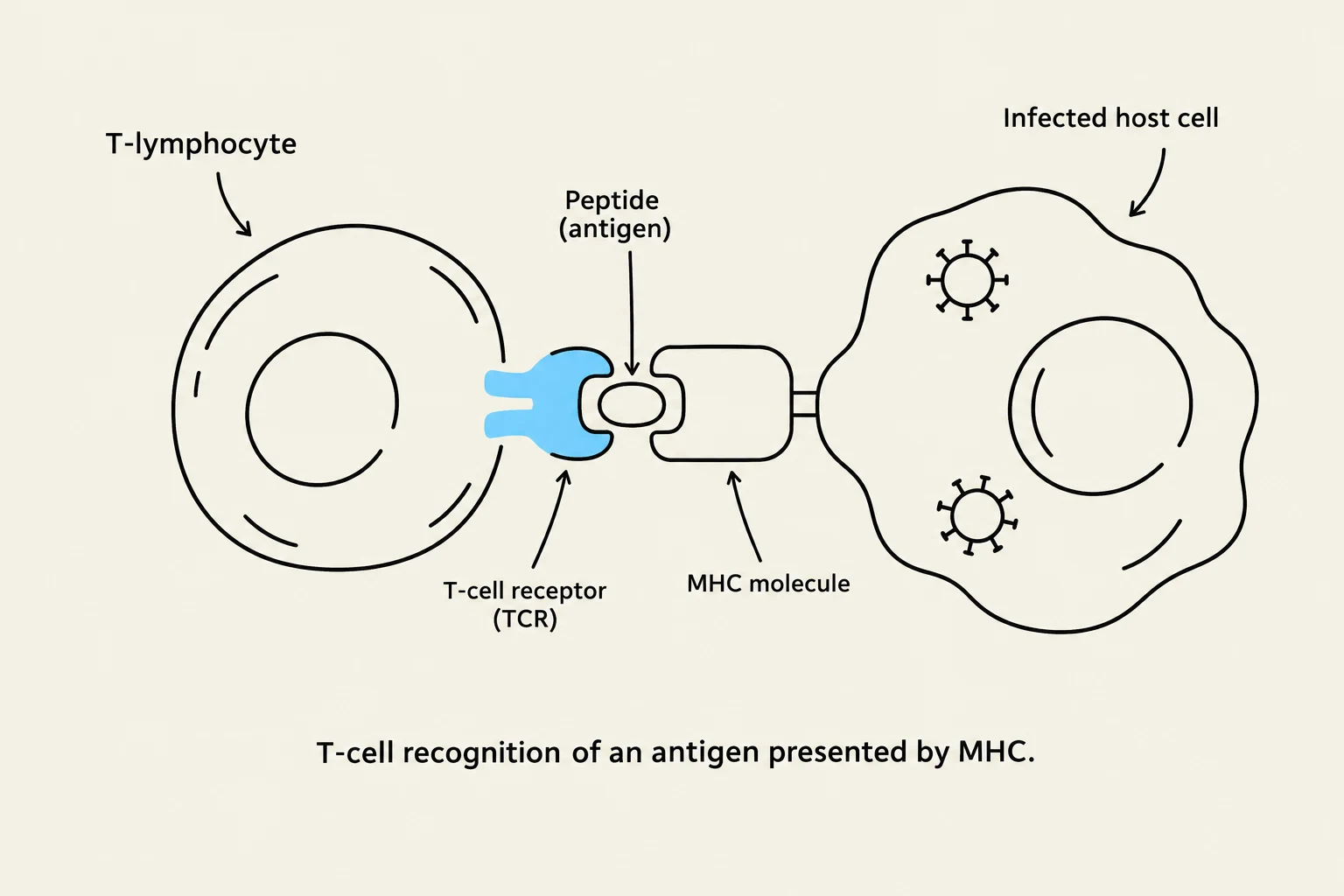
Cellular Immunity
Cellular immunity is the body's defense against intracellular threats, such as virally infected cells, fungi, parasites, and foreign tissues. This branch is mediated by T-lymphocytes (T-cells), which are trained in the thymus.
Unlike B-cells, T-cells cannot recognize antigens floating freely in the blood. Instead, they only recognize specific peptides that are "presented" on the surface of other cells by Major Histocompatibility Complex (MHC) receptors. To facilitate this recognition, each T-cell possesses a unique T-cell receptor (TCR) capable of binding to a specific peptide-MHC complex. Once a T-cell is activated, it can perform two main functions:
- Cytotoxic Action: Releasing molecules that cause the target cell's membrane to burst, thereby destroying the infected cell.
- Signaling: Sending chemical signals to B-cells to initiate the production of antibodies.
Humoral Immunity
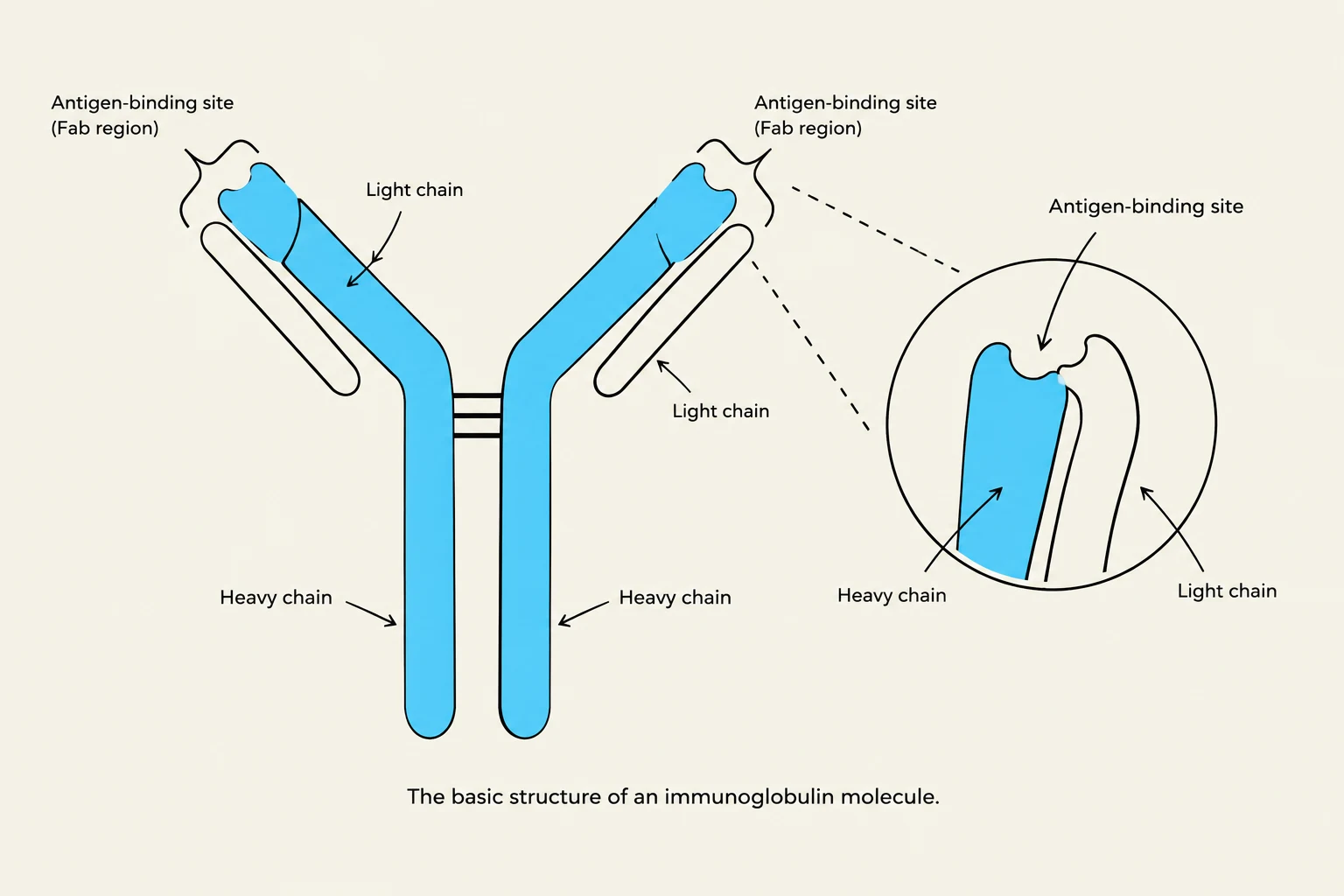
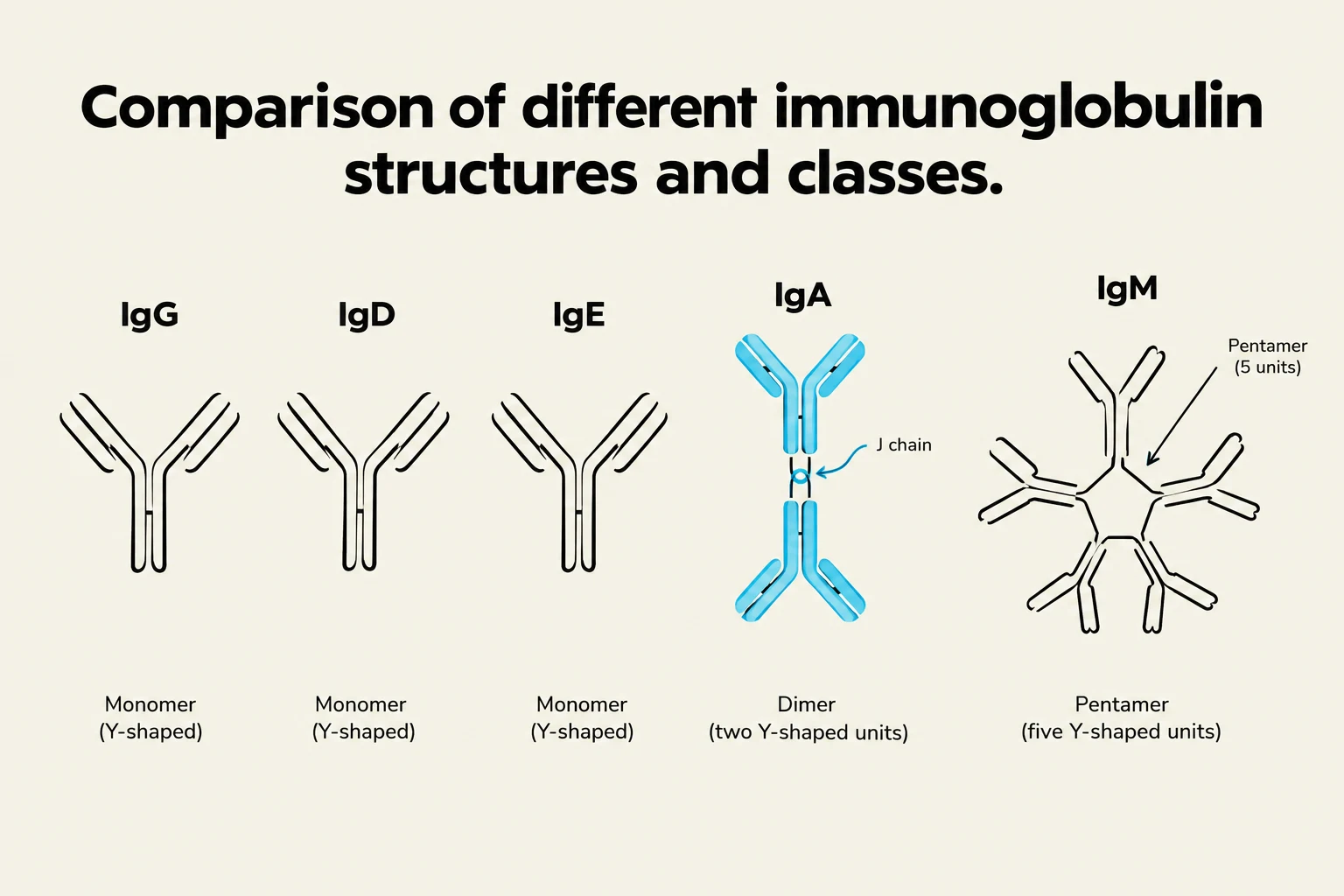
Humoral immunity focuses on combating extracellular threats, such as bacteria and the extracellular phases of viral infections. This branch is mediated by B-lymphocytes (B-cells) and the production of immunoglobulins (antibodies).
Keep reading for free.
Create an account to finish this reading and make it part of your study routine.
Continue reading freeAlready have an account? Log in
Updated