


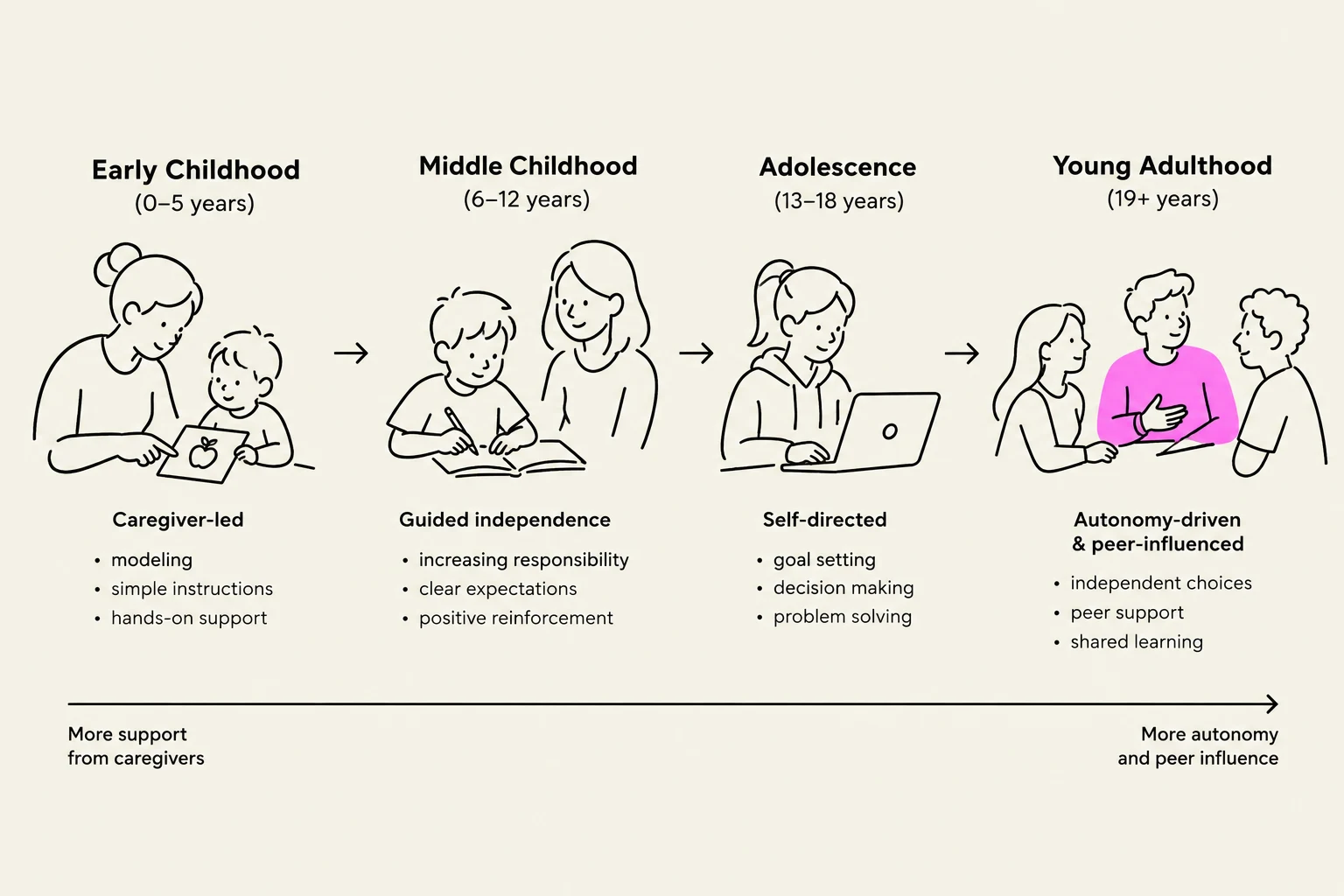
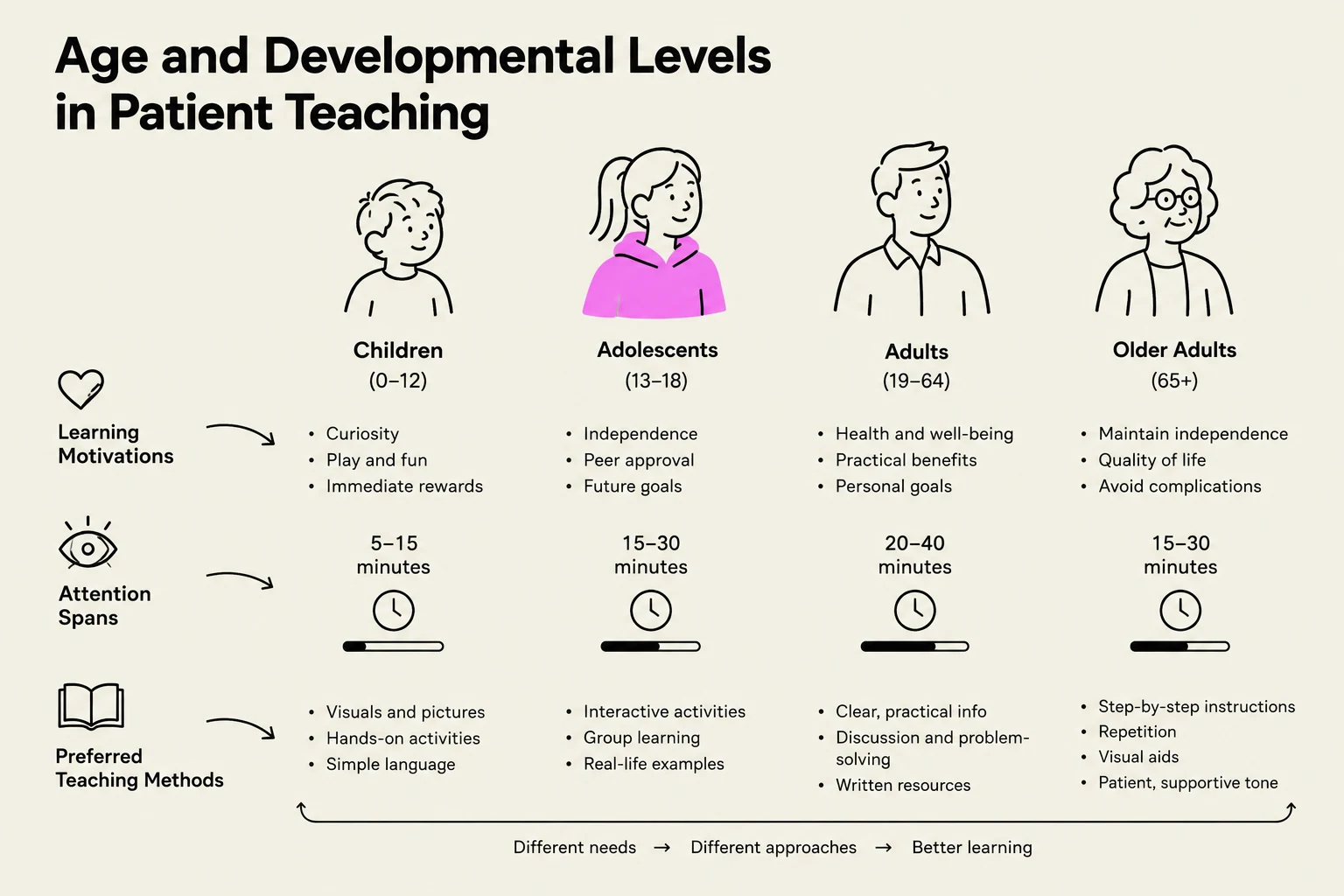
Effective patient education is not a "one size fits all" process. To ensure that a patient understands their diagnosis, medication regimen, or post-operative care, a healthcare provider must tailor their communication style to the patient's specific developmental stage. This requires an understanding of how cognitive abilities, attention spans, and social motivations change from infancy through adulthood. By aligning teaching strategies with these developmental milestones, educators can improve health literacy and patient outcomes.
Infants and Toddlers: Sensory and Caregiver-Centered Learning
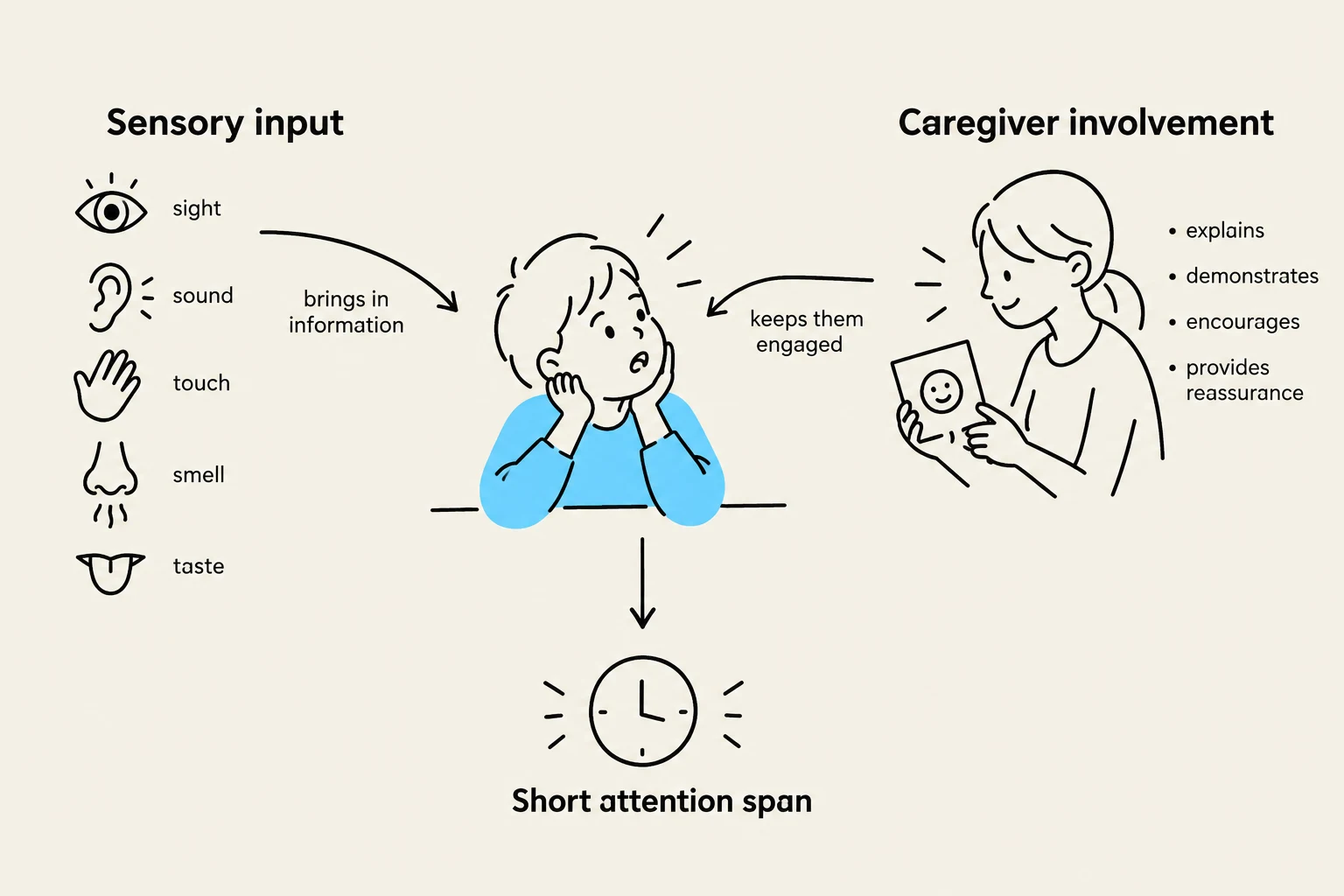
When teaching infants and toddlers, the "patient" is often a dual entity: the child and their primary caregiver. Infants (birth to 1 year) are in a stage where they learn primarily through sensory input—sight, sound, and touch. They cannot process verbal instructions, so teaching focuses on the caregiver regarding soothing techniques, feeding, and safety.
Toddlers (1 to 3 years) are beginning to assert their independence, often characterized by the "no" phase. They have very short attention spans and learn best through play and repetition. When teaching a toddler about a procedure, such as an immunization, the educator should use simple language and allow the child to touch non-threatening medical equipment, like a stethoscope, to reduce anxiety.
Clinical Tip: For toddlers, use "distraction therapy" and "play therapy." Instead of saying "This will hurt," try "This might feel like a quick pinch, like a mosquito bite."
Preschoolers and School-Aged Children: Concrete and Logical Concepts
Preschoolers (3 to 5 years) are highly imaginative and often struggle to distinguish between fantasy and reality. They may view illness as a punishment for "bad behavior." Teaching at this stage should be concrete and visual. Using dolls or puppets to demonstrate a procedure can help bridge the gap between their imagination and the clinical reality.
Keep reading for free.
Create an account to finish this reading and make it part of your study routine.
Continue reading freeAlready have an account? Log in
Updated