


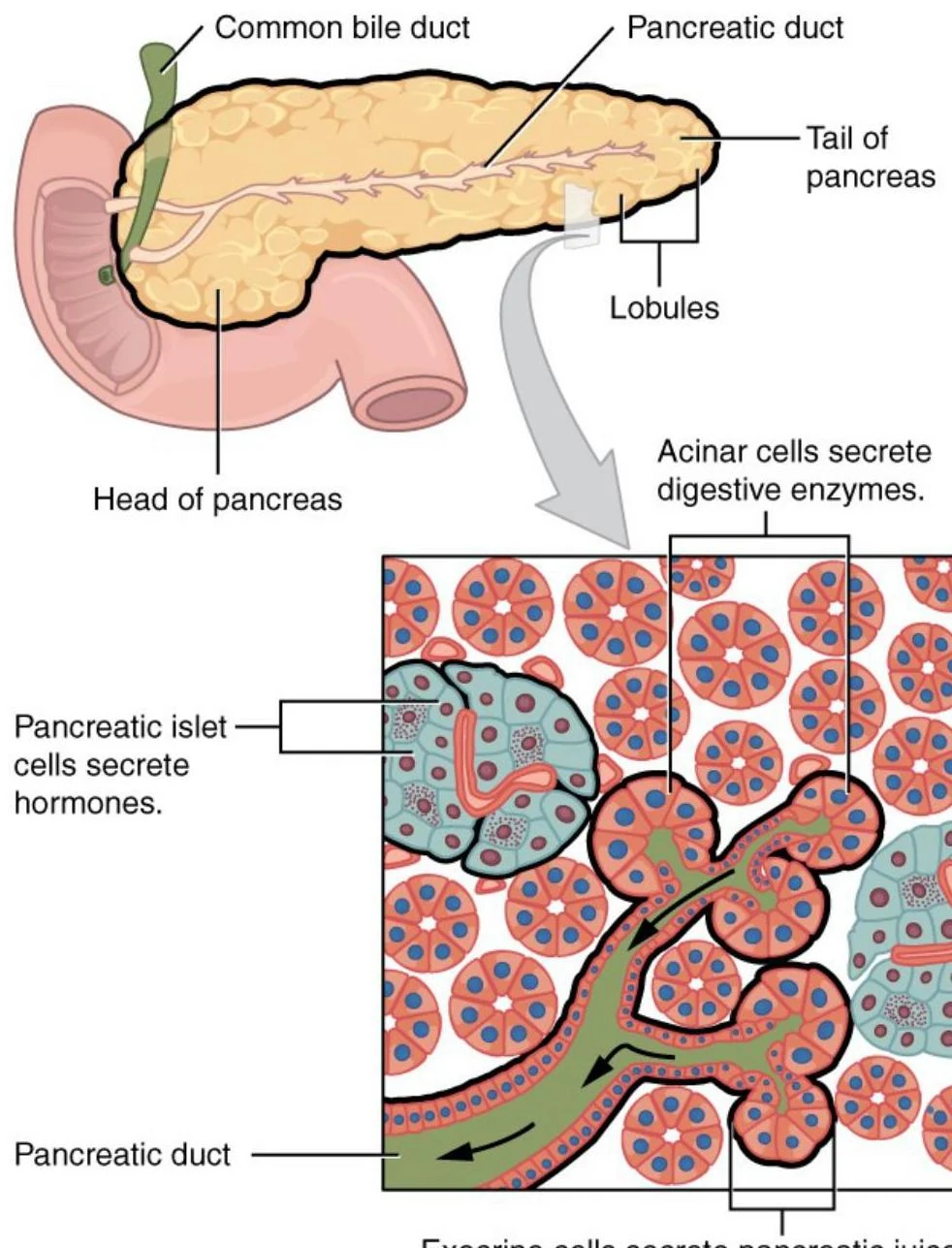
While the alimentary canal—including the mouth, stomach, and intestines—is the primary pathway for food, it cannot complete the complex task of digestion alone. To successfully break down macromolecules into absorbable subunits, the body relies on accessory digestive organs: the liver, the pancreas, and the gallbladder. These organs do not hold food, but they produce, store, and release the essential chemical tools—such as bile, enzymes, and buffers—required to transform food into nutrients like monosaccharides, amino acids, and fatty acids.
The Liver: A Metabolic Powerhouse
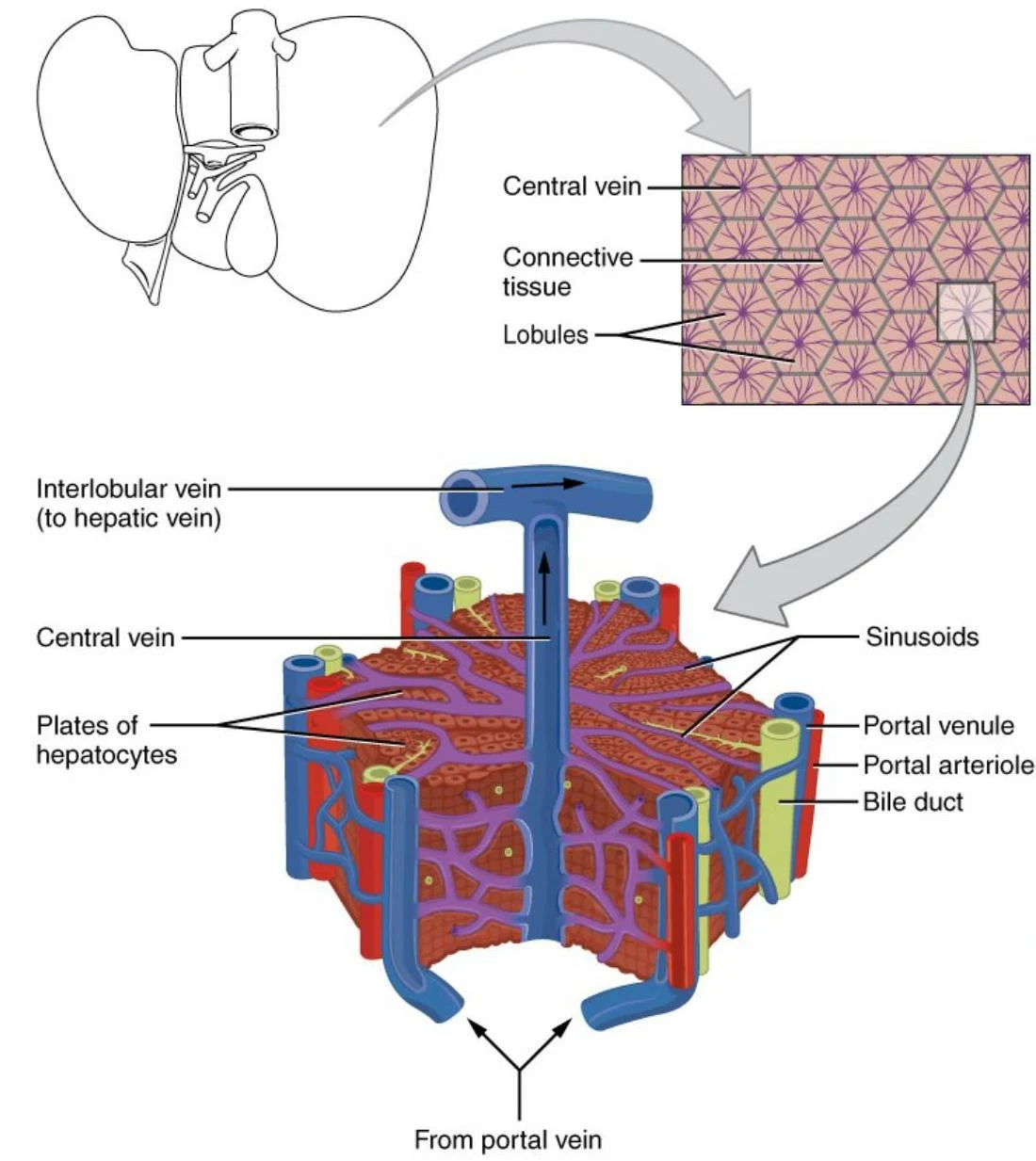
The liver is the largest internal organ and plays a central role in digestion, metabolism, and regulation. Its unique histology allows it to perform complex processing of the substances it receives from the digestive tract.
Hepatic Blood Supply
Unlike many organs that receive only oxygenated blood, the liver has a dual blood supply that is critical to its function:
- Hepatic Artery: Delivers oxygenated blood to the liver tissue.
- Hepatic Portal Vein: Delivers nutrient-rich, deoxygenated blood directly from the digestive tract. This allows the liver to process absorbed nutrients before they are distributed to the rest of the body.
Bile: The Fat Emulsifier
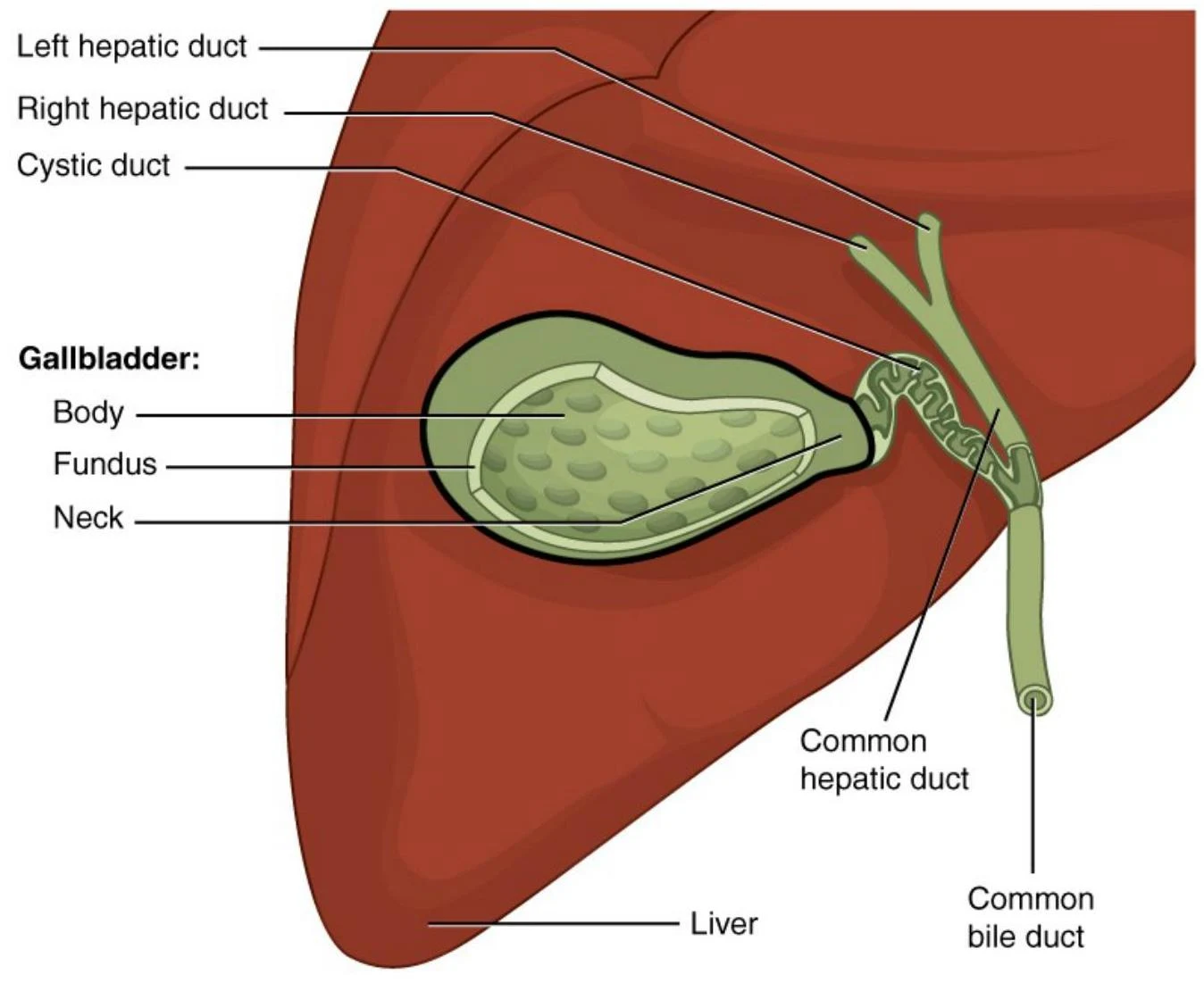
One of the liver's primary digestive contributions is the production of bile. Bile is a yellowish-green liquid composed of water, electrolytes, cholesterol, bile pigments (such as bilirubin, a breakdown product of hemoglobin), and, most importantly, bile salts.
Keep reading for free.
Create an account to finish this reading and make it part of your study routine.
Continue reading freeAlready have an account? Log in
Updated